
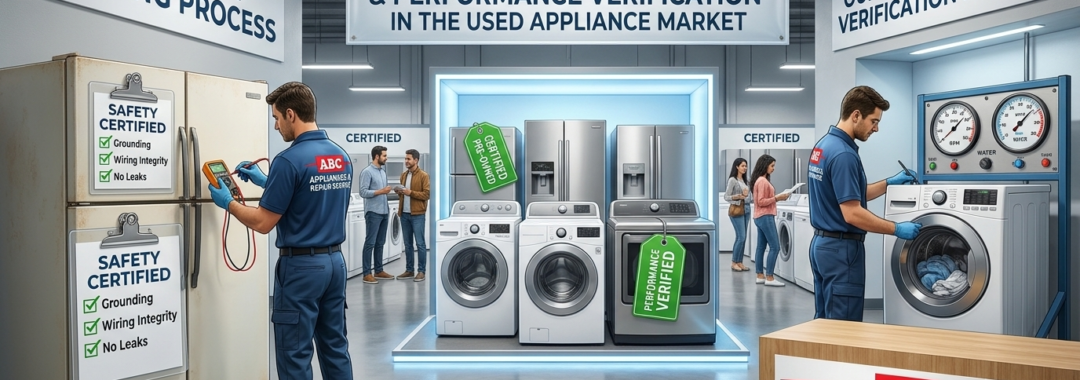
Buying a used appliance can be a practical and affordable way to equip a home without paying the full price of a brand-new product. From refrigerators and washing machines to ovens, dishwashers, dryers, and other essential household equipment, pre-owned appliances offer customers an opportunity to save money while still enjoying reliable everyday performance. However, affordability should never come at the expense of safety, quality, or functionality. Unlike new appliances, previously owned products have already experienced regular use, which means their internal components, electrical connections, motors, heating elements, and other critical parts may have experienced wear and tear. Without proper inspection and testing, it can be difficult to determine whether an appliance is genuinely ready for continued use. This is why safety testing and performance verification are essential parts of the used appliance industry. At ABC Appliances, we believe customers deserve appliances that offer both value and confidence, making thorough testing an important part of providing a dependable shopping experience.
Why Safety Testing Matters When Buying Used Appliances
Safety should always be the first consideration when purchasing any electrical or household appliance, particularly when the product has been previously owned. Over time, electrical wiring can deteriorate, insulation can become damaged, connections can loosen, and internal components can develop faults that are not immediately visible. These issues may increase the risk of electrical shocks, overheating, short circuits, or even fire hazards if they are not identified before the appliance is used again. An appliance might look clean and function normally during a brief demonstration, but hidden electrical problems can still create serious safety concerns. Proper safety testing helps identify these potential risks before a product reaches its next owner. It also ensures that essential safety mechanisms, protective components, and electrical connections are operating as intended. Taking these precautions helps create a safer environment for households and reduces the likelihood of unexpected problems after installation.
Understanding the Difference Between Visual Inspection and Technical Testing
A visual inspection is an important starting point when assessing a used appliance, but it should never be treated as a complete assessment of its condition. Checking the exterior, doors, switches, cables, plugs, control panels, and visible components can reveal signs of physical damage, corrosion, cracks, or excessive wear. However, many of the most important problems develop inside an appliance, where they cannot be identified through appearance alone. Technical testing goes further by examining electrical safety, component functionality, operating behaviour, and other performance-related factors. For example, a refrigerator may appear to be in excellent cosmetic condition while struggling to maintain the correct internal temperature. Similarly, a washing machine may power on successfully but have problems with its drainage system, motor, or spin cycle. Combining visual inspections with appropriate technical testing provides a more complete understanding of an appliance’s actual condition. This approach helps distinguish between products that simply look good and those that are genuinely suitable for continued use.
Electrical Safety Checks and Component Inspection
Electrical safety checks are particularly important because most household appliances rely on electrical systems to operate safely and consistently. Damaged power cords, loose terminals, deteriorated insulation, faulty switches, and exposed wiring can all create potential hazards. A proper inspection should examine the condition of electrical connections and identify any visible signs of overheating, burning, or previous repairs. Where appropriate, qualified technicians can carry out electrical safety tests, including earth continuity, insulation resistance, and leakage current testing, according to the appliance type and applicable safety requirements. These assessments help determine whether an appliance’s electrical system is functioning within acceptable safety limits. Internal components such as motors, capacitors, heating elements, and control boards may also require closer examination depending on the appliance’s design and condition. Testing should be performed using suitable equipment and procedures rather than relying on assumptions based on appearance. Addressing electrical concerns before resale helps protect customers and supports more responsible practices throughout the second-hand appliance market.
Performance Verification Ensures Appliances Work as Expected
Safety testing establishes whether an appliance can be used without unacceptable risks, while performance verification determines whether it can carry out its intended functions effectively. Both are necessary because an electrically safe appliance is not automatically a reliable or efficient one. A refrigerator should be able to maintain consistent cooling temperatures, a washing machine should complete its wash and spin cycles properly, and an oven should reach and maintain its selected temperature. Dishwashers should demonstrate effective water circulation and drainage, while dryers should provide suitable drying performance without abnormal overheating. These functions should be assessed under appropriate operating conditions rather than through a quick power-on check. Performance verification also helps identify unusual noises, excessive vibration, inconsistent operation, leaks, and other signs of developing mechanical problems. When these checks are completed before an appliance is offered for sale, customers have greater confidence that the product is ready to support their daily household requirements.
Testing Refrigerators and Freezers for Reliable Cooling
Refrigerators and freezers are among the most important household appliances because they help preserve food and maintain appropriate storage temperatures. A used refrigerator may appear to be operating normally because its lights turn on and its compressor makes familiar sounds, but these signs do not necessarily confirm that the cooling system is working efficiently. Proper testing should examine temperature stability, compressor operation, thermostat functionality, door seals, condenser condition, and airflow inside the compartments. The appliance should be given sufficient time to reach its expected operating temperature, as an immediate assessment may not reveal cooling inconsistencies. Freezers should also be checked for their ability to maintain suitable freezing conditions without excessive frost accumulation or unusual operating behaviour. Door gaskets deserve particular attention because damaged seals allow warm air to enter, forcing the cooling system to work harder and potentially increasing electricity consumption. Thorough refrigeration testing helps identify performance issues that could otherwise result in food spoilage, higher running costs, and unnecessary inconvenience for customers.
Washing Machine and Dryer Performance Assessment
Washing machines and dryers contain several mechanical and electrical components that need to work together to deliver consistent results. When evaluating a used washing machine, important areas include the drum, motor, water inlet valves, drainage pump, door locking mechanism, control panel, and suspension system. Running suitable test cycles can help identify problems such as incomplete drainage, excessive vibration, water leakage, unusual noises, or inconsistent spinning. The condition of the drum and internal seals should also be examined because worn components can affect cleaning performance and increase the possibility of leaks. Dryers require their own assessment, including checks of heating elements, thermostats, airflow, filters, drum movement, and relevant safety controls. Restricted airflow and malfunctioning temperature controls can create overheating risks, making these inspections especially important. Testing these appliances through their relevant operating functions provides a clearer picture of their condition and helps ensure that customers receive products capable of performing their everyday tasks.
Checking Ovens, Cooktops, and Other Kitchen Appliances
Kitchen appliances often involve heating elements, electrical controls, gas connections, and temperature regulation systems, making their inspection particularly important. A used electric oven should be checked for heating consistency, temperature accuracy, door seal condition, control functionality, and proper operation of its heating elements. Cooktops should be examined for damaged surfaces, faulty switches, uneven heating, and other issues that could affect safe operation. For gas appliances, qualified professionals should assess the gas connections, burners, ignition systems, and potential leakage in accordance with applicable safety requirements. Other kitchen appliances, including microwaves and dishwashers, also require checks specific to their operating systems. Microwaves should be inspected for door integrity, interlock operation, and appropriate functional performance, while dishwashers should be tested for water circulation, heating, drainage, and leakage. These checks help identify faults that may not be obvious during a basic demonstration. Careful assessment of kitchen appliances is essential because customers rely on them frequently and expect them to operate safely during everyday household activities.
Identifying Hidden Wear and Tear Before It Becomes a Problem
One of the biggest challenges in the used appliance market is identifying problems that have not yet developed into obvious failures. An appliance may continue to operate despite having worn bearings, deteriorating seals, weakened electrical connections, damaged hoses, or components approaching the end of their useful life. These early warning signs can be difficult for an ordinary buyer to recognise without technical knowledge and suitable inspection equipment. Regular operating tests, internal examinations where appropriate, and careful assessment of components can help reveal developing problems before they lead to more serious breakdowns. For example, unusual vibration may indicate an issue with a washing machine’s suspension or bearings, while inconsistent refrigerator cooling may suggest problems with its thermostat, airflow, or refrigeration system. Identifying these concerns early allows necessary repairs to be completed before the appliance is sold. It also reduces the possibility of customers facing avoidable repair expenses shortly after making their purchase. A responsible approach to assessing wear and tear helps establish more realistic expectations about the condition and remaining service life of pre-owned products.
The Role of Professional Technicians in Appliance Verification
Although basic visual checks can identify several obvious concerns, comprehensive appliance testing often requires technical expertise and specialised equipment. Professional technicians understand how different appliances operate and can recognise symptoms that may indicate deeper electrical, mechanical, or operational faults. They can also follow suitable testing procedures for different appliance categories instead of applying the same inspection process to every product. This is important because a refrigerator, washing machine, electric oven, and gas cooktop all have different safety requirements and operating characteristics. Technicians can identify components that require adjustment, replacement, or repair and determine whether an appliance is suitable for continued use. Where repairs are necessary, the work should be completed using appropriate parts and methods, followed by relevant checks to confirm that the appliance operates correctly. Depending on the nature of the appliance and the work performed, certain repairs may require qualified or authorised professionals. Having knowledgeable people involved in the inspection process strengthens quality control and provides customers with greater confidence when purchasing used household equipment.
How Proper Testing Builds Customer Trust
Customer trust is one of the most important factors influencing purchasing decisions in the second-hand appliance industry. Many buyers are naturally cautious because they may have previously experienced unexpected breakdowns or purchased products that did not perform as promised. Clear information about testing, repairs, and appliance condition can help reduce these concerns and create a more transparent shopping experience. When customers understand that an appliance has undergone appropriate safety and performance checks, they can make decisions based on more than its appearance and selling price. Honest communication about cosmetic imperfections, replaced components, and any known limitations is equally important. It helps customers understand exactly what they are purchasing and prevents unrealistic expectations. A business that prioritises proper testing demonstrates that customer satisfaction extends beyond completing a sale. At ABC Appliances, maintaining confidence through responsible product assessment is an important part of creating a positive buying experience and building long-term customer relationships.
Safety Testing Can Help Reduce Long-Term Ownership Costs
The initial purchase price is only one part of the overall cost of owning a household appliance. Electricity consumption, water usage, maintenance requirements, replacement components, and unexpected repair expenses can all influence the total cost over time. A poorly maintained appliance may be inexpensive to purchase but could become more expensive to operate if it has inefficient components or developing mechanical faults. For example, a refrigerator with damaged door seals may consume additional electricity because its cooling system needs to work harder to maintain the required temperature. A washing machine with drainage problems may require repeated cycles or additional repairs, creating unnecessary inconvenience and expense. Performance verification helps identify these concerns before purchase, allowing customers to make more informed decisions about the value of a particular product. Although testing cannot guarantee that an appliance will never develop a fault, it can reduce the likelihood of purchasing equipment with identifiable existing problems. This makes proper assessment an important consideration for buyers who want to balance affordability with dependable long-term performance.
The Importance of Transparent Product Information
Transparency plays an essential role in making the used appliance market more dependable for both buyers and sellers. Customers should have access to clear information about an appliance’s condition, relevant testing, completed repairs, and any known functional limitations. Providing accurate product descriptions helps buyers understand what to expect before making a purchasing decision. It is also important to distinguish between cosmetic condition and operational condition because a few exterior scratches do not necessarily affect performance, while an appliance that looks almost new may still contain hidden faults. Where available, inspection records and repair documentation can provide additional information about the work completed before resale. Businesses should also communicate applicable warranty coverage, return conditions, and after-sales support without making promises that cannot be fulfilled. This level of openness reduces misunderstandings and encourages more responsible transactions. When product information is accurate and easy to understand, customers are better equipped to select appliances that suit their household needs and budgets.
Safety Standards and Responsible Resale Practices
The resale of electrical and household appliances should be approached with an understanding of relevant product safety requirements and applicable regulations. Requirements can vary depending on the country, appliance category, product age, and type of electrical or gas connection involved. Businesses involved in used appliance sales should understand which standards and testing procedures apply to the products they handle. Appliances with damaged safety components, unsafe wiring, defective insulation, or other serious faults should not be offered for use until the relevant problems have been properly addressed and verified. Some products may be unsuitable for resale altogether if they cannot be restored to an acceptable safety condition. Responsible sellers should also ensure that repairs are carried out by appropriately qualified individuals when specialist work is required. Following suitable safety procedures is not simply about protecting a business from potential complaints. It is about reducing avoidable hazards, supporting consumer confidence, and contributing to a more reliable second-hand appliance industry.
How Testing Supports Sustainability and Responsible Consumption
The used appliance market also plays an important role in promoting more sustainable household consumption. Extending the useful life of appliances can help reduce unnecessary waste and limit the demand for new manufacturing resources. Many pre-owned products still have considerable usable life remaining, provided they are properly inspected, maintained, and repaired where appropriate. However, sustainability should not mean continuing to use equipment that presents unacceptable safety risks or performs inefficiently. Responsible testing helps determine whether an appliance can be safely returned to service and whether any necessary repairs are practical. It also prevents unsuitable products from being passed on to another household without addressing their existing problems. By supporting the reuse of functional appliances, the industry can contribute to reducing landfill waste and making better use of existing resources. A reliable second-hand appliance market therefore offers benefits beyond affordability, helping customers make practical purchasing decisions while supporting more responsible consumption habits.
What Customers Should Consider Before Purchasing a Used Appliance
Before purchasing a pre-owned appliance, customers should look beyond the advertised price and overall appearance. It is worth understanding whether the product has undergone a proper inspection and whether its essential functions have been tested under suitable operating conditions. Buyers should also examine visible components such as power cords, plugs, doors, seals, hoses, switches, and control panels for signs of damage or excessive wear. Asking about the appliance’s previous condition, any repairs completed, and available after-sales support can provide additional clarity. Customers should pay attention to unusual noises, vibrations, odours, leaks, or inconsistent operation during a demonstration. It is also important to consider the appliance’s age, energy efficiency, expected usage, physical dimensions, and compatibility with the intended installation space. These factors can influence both the immediate suitability and long-term value of a purchase. Taking time to ask the right questions helps customers avoid decisions based solely on low prices and select appliances that better meet their expectations.
Choosing a Used Appliance Store That Prioritises Quality
The reliability of a used appliance purchase depends not only on the product itself but also on the practices followed by the seller. A dependable store should take product inspections seriously and understand the importance of checking appliances before making them available to customers. Buyers should look for businesses that communicate clearly about product condition, testing procedures, repairs, and any applicable warranty arrangements. They should also feel comfortable asking questions and receiving straightforward answers instead of vague assurances about product quality. A responsible retailer recognises that selling an appliance is only one part of the customer experience. Helping customers select appropriate products, explaining their condition, and providing relevant support can make a significant difference to overall satisfaction. At ABC Appliances, we understand that purchasing used household equipment should be a practical and reassuring experience. Our focus is on helping customers find suitable appliance options while recognising the importance of safety, functionality, and value.
Conclusion: Making Safety and Performance a Priority in Every Purchase
Safety testing and performance verification are essential to creating a more trustworthy and dependable used appliance market. They help identify electrical hazards, mechanical faults, cooling problems, heating inconsistencies, and other issues that may not be visible during a basic inspection. These checks also allow sellers to address existing problems, provide more accurate product information, and give customers a clearer understanding of what they are purchasing. For buyers, this means greater confidence, fewer avoidable surprises, and a better opportunity to enjoy the financial benefits of choosing pre-owned appliances. For businesses, it supports responsible resale practices, stronger customer relationships, and a reputation built around transparency and quality. The most affordable appliance is not necessarily the best purchase if it creates additional expenses or safety concerns after installation. Taking the time to assess an appliance properly makes it easier to balance cost, performance, and reliability. Ultimately, a successful used appliance purchase should provide practical value without compromising household safety.
Find Quality Used Appliances with Confidence
Looking for affordable household appliances without overlooking quality and reliability? Choosing the right pre-owned appliance starts with understanding its condition, checking its functionality, and buying from a retailer that values customer confidence. We encourage customers to explore available appliance options, ask questions about product condition, and consider their household requirements before making a final decision. Whether you are replacing an old refrigerator, upgrading your washing machine, or searching for practical kitchen appliances, we are here to help you make an informed choice. Get in touch with our team today to discuss your requirements, explore our available products, and find an appliance that offers the right balance of affordability, functionality, and everyday convenience. Contact us today and take the next step towards a smarter and more confident appliance purchase.