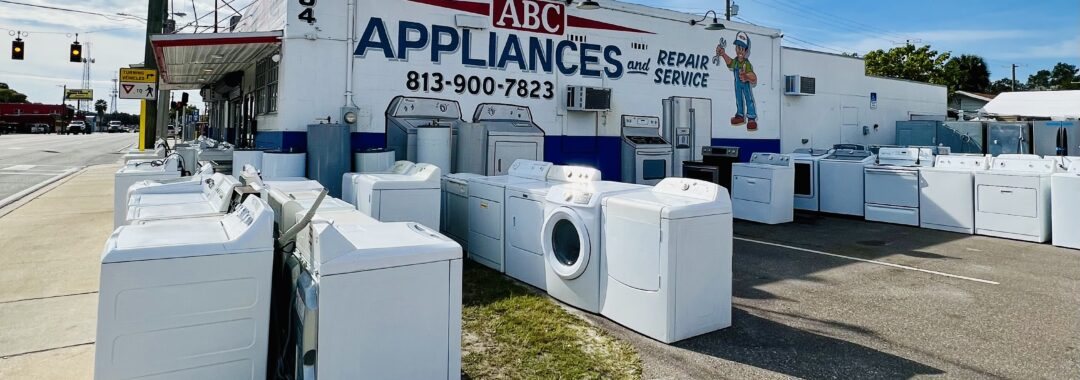
Stoves for sale,

How Reliability Engineering Principles Can Improve the Quality of Refurbished Kitchen Appliances

Kitchen appliances play an important role in everyday life, helping households prepare meals, store food, clean dishes and manage daily activities more efficiently. However, purchasing brand-new appliances can be expensive, especially when several essential items need replacing at the same time. This has increased interest in refurbished kitchen appliances, which offer customers an opportunity to purchase functional products at more affordable prices. However, affordability alone is not enough to establish customer confidence. Buyers also expect refurbished appliances to deliver consistent performance, operate safely and provide dependable service over an extended period. At ABC Appliances, we believe that applying reliability engineering principles is an important way to improve the quality of refurbished products and provide customers with greater confidence in their purchases.

Understanding Reliability Engineering in Appliance Refurbishment

Reliability engineering is a discipline focused on understanding how products perform over time, identifying potential failures and reducing the likelihood of unexpected breakdowns. In the kitchen appliance industry, these principles can be applied throughout the refurbishment process, from the initial inspection of used equipment to final testing before resale. Rather than simply repairing an appliance when something stops working, reliability engineering encourages a more systematic approach to identifying weaknesses and preventing future problems. This involves examining individual components, understanding their expected service life and evaluating how different parts work together during normal operation. For example, a refrigerator may appear to function correctly while having an ageing compressor, worn door seals or an inefficient cooling system. Identifying these issues before the appliance reaches a customer can significantly improve its overall dependability. By introducing structured reliability assessments, refurbishment businesses can move beyond basic repairs and focus on delivering appliances that offer consistent performance.

Identifying Potential Failures Through Detailed Initial Inspections

The quality of a refurbished kitchen appliance largely depends on how thoroughly it is inspected before refurbishment begins. An initial inspection should establish the appliance’s overall condition, identify existing defects and highlight components that may become problematic in the future. Reliability engineering uses techniques such as Failure Mode and Effects Analysis (FMEA) to evaluate how individual failures could affect the operation and safety of a product. This approach considers the possible cause of a failure, its consequences and the likelihood of it occurring. For instance, a dishwasher may have a functioning motor but damaged internal hoses that could eventually cause water leakage. Similarly, a microwave may operate normally while having damaged electrical connections or deteriorating door seals. These problems may not always be immediately visible during a basic operational check. A structured inspection process helps refurbishment technicians identify such risks early and determine whether a component requires repair or replacement before the appliance is approved for further work.

Improving Component Quality and Replacement Decisions

Not every component inside a used kitchen appliance has the same level of durability or importance. Some parts experience continuous mechanical movement, electrical stress, temperature fluctuations or exposure to moisture, making them more likely to deteriorate over time. Reliability engineering helps technicians understand which components are critical to the safe and dependable operation of an appliance. Instead of replacing parts only when they have completely failed, refurbishment teams can assess their condition and replace components that show signs of excessive wear or reduced performance. In a washing machine, for example, bearings, pumps, belts and electrical control components may require particular attention because their condition directly affects operating reliability. In refrigerators, compressors, thermostats, fans and sealing systems can influence cooling efficiency and long-term performance. Selecting suitable replacement components is equally important, as poor-quality alternatives may introduce new reliability problems. Using compatible, appropriately rated parts and following manufacturer specifications wherever available can help maintain the appliance’s intended functionality and reduce the likelihood of repeat repairs.

Using Preventive Maintenance Principles During Refurbishment

Preventive maintenance is commonly associated with industrial equipment, but its principles are equally valuable when refurbishing domestic kitchen appliances. The objective is to identify and address deterioration before it develops into a major operational failure. During refurbishment, technicians can use preventive maintenance practices to examine moving parts, clean internal systems, inspect electrical connections and check components that are exposed to regular wear. For example, refrigerator condenser coils may accumulate dust and debris, affecting heat transfer and increasing the workload on the cooling system. Cleaning these components and checking ventilation can help restore more efficient operation. Similarly, inspecting dishwasher filters, spray arms, pumps and drainage systems can help prevent blockages and improve cleaning performance. These maintenance activities should form part of a consistent refurbishment procedure rather than being performed only when a visible problem is discovered. When preventive maintenance is supported by documented inspection requirements, refurbishment businesses can establish more reliable quality standards and reduce avoidable customer complaints.

Applying Performance Testing to Verify Appliance Reliability

An appliance should never be considered ready for resale simply because it switches on and completes a basic operating cycle. Proper performance testing is essential for determining whether the refurbished product can perform its intended functions safely and consistently. Reliability engineering encourages testing under realistic operating conditions so that technicians can identify problems that may not appear during a brief inspection. A refrigerator, for example, should be assessed for temperature stability, cooling performance, compressor operation and door seal effectiveness. An oven should be checked for temperature accuracy, heating consistency and proper functioning of its controls. Dishwashers should undergo operational testing to evaluate water circulation, drainage, heating and cleaning functions. These checks provide a clearer understanding of how the appliance performs as a complete system rather than focusing on individual components alone. Maintaining consistent testing procedures and recording the results also makes it easier to compare refurbishment quality across different products. This gives customers greater confidence that the appliance has been assessed beyond its external appearance.

Understanding Mean Time Between Failures and Product Lifespan

Mean Time Between Failures (MTBF) is a reliability measurement used to estimate the average operating time between failures of repairable equipment. Although MTBF is not a guarantee of how long an individual refurbished appliance will last, it can help businesses understand equipment reliability when supported by sufficient operating and failure data. Refurbishment businesses can use historical repair records to identify which appliance models and components experience recurring problems. For example, if a particular dishwasher model repeatedly develops drainage issues, technicians can investigate whether the problem is associated with a specific pump design, filter arrangement or maintenance requirement. This information can then be used to improve future inspection and refurbishment procedures. Tracking the frequency of repairs after resale can also help businesses evaluate whether their refurbishment methods are producing dependable results. Over time, this data-driven approach supports better decisions about which appliances are suitable for refurbishment, which components should receive additional attention and which products may be too unreliable to sell.

Strengthening Electrical and Operational Safety

Safety is one of the most important considerations when refurbishing kitchen appliances because these products often combine electricity, heat, water and moving mechanical components. Even a relatively small defect can create serious risks if it affects insulation, wiring, grounding, temperature control or protective mechanisms. Reliability engineering supports a systematic approach to identifying safety-related failure points and ensuring that critical protection systems function correctly. During refurbishment, technicians should inspect power cables, plugs, internal wiring, electrical connections, protective components and relevant safety interlocks. Appliances that generate heat, such as ovens, toasters and microwaves, require particular attention to their temperature regulation and protective systems. Refrigerators and dishwashers also require appropriate checks of their electrical and water-related components. Testing should follow applicable electrical safety requirements, manufacturer guidance and relevant local regulations. Any appliance that fails a critical safety assessment should not be approved for sale until the issue has been properly resolved and the required checks have been successfully completed.

Improving Quality Control Through Standardised Refurbishment Procedures

Consistency is essential when handling multiple refurbished appliances, particularly when products come from different manufacturers, models and previous operating environments. Without standardised procedures, the quality of refurbishment can depend too heavily on individual technicians, their experience and the inspection methods they choose to follow. Reliability engineering encourages businesses to establish clear quality control requirements that are applied consistently throughout the refurbishment process. This includes defining inspection criteria, identifying components that require mandatory checks and documenting the tests that must be completed before an appliance is approved for resale. Standardised procedures also make it easier to identify missing steps and reduce variations in the quality of finished products. For example, every refurbished refrigerator should undergo an appropriate cooling assessment, while every dishwasher should receive checks covering water supply, drainage and operational performance. Maintaining inspection records provides an additional level of accountability and makes it easier to investigate problems if a customer reports an issue after purchase. A structured quality control system therefore supports both operational efficiency and customer satisfaction.

Using Failure Data to Improve Future Refurbishment Decisions

One of the greatest advantages of reliability engineering is that it encourages continuous improvement through the analysis of real performance data. Instead of treating every appliance repair as an isolated incident, refurbishment businesses can record recurring faults and use this information to identify wider quality problems. This may involve tracking repair frequency, component replacement rates, warranty claims, customer complaints and the time between subsequent failures. For instance, if several refurbished washing machines develop similar motor problems within a short period, the business should investigate whether the issue relates to inadequate inspection, unsuitable replacement parts or an overlooked operating condition. Identifying these patterns helps technicians improve their refurbishment methods and focus attention on the components that present the greatest reliability risks. Customer feedback can also reveal performance issues that may not become apparent during standard testing. By regularly reviewing this information, businesses can update inspection procedures, improve technician training and make better decisions about the products they accept for refurbishment.

The Role of Skilled Technicians and Technical Knowledge

Even the most detailed refurbishment procedures depend on the knowledge and practical skills of the technicians carrying them out. Understanding appliance systems, electrical components, mechanical assemblies and common failure mechanisms allows technicians to make more accurate assessments and complete repairs effectively. Reliability engineering provides a framework for making these decisions, but technicians need appropriate training to apply that framework correctly. They should understand how to identify early signs of component deterioration, interpret testing results and distinguish between minor cosmetic defects and issues that could affect long-term operation. Familiarity with manufacturer specifications, wiring diagrams, service documentation and appropriate diagnostic equipment can also improve the accuracy of refurbishment work. Ongoing technical training is particularly important because modern kitchen appliances increasingly incorporate electronic control boards, sensors, digital interfaces and energy management systems. Investing in technician development helps businesses maintain consistent workmanship, improve fault detection and deliver refurbished appliances that meet clearly defined quality expectations.

Reducing Environmental Impact Through Reliable Refurbishment

Refurbishing kitchen appliances can contribute to more responsible resource consumption by extending the useful life of products that might otherwise be discarded. Manufacturing new appliances requires raw materials, energy, transportation and industrial processing, while disposing of unwanted electrical equipment creates additional waste management challenges. However, the environmental benefits of refurbishment depend partly on the quality and remaining service life of the products being restored. An appliance that repeatedly breaks down or requires premature replacement may offer limited long-term environmental value. Reliability engineering helps address this concern by encouraging more thorough assessments, appropriate component replacement and performance verification before resale. By improving product dependability, refurbishment businesses can help reduce unnecessary replacements and make better use of existing materials and equipment. Responsible refurbishment should also include appropriate handling of hazardous materials, electronic waste and refrigerants in accordance with applicable regulations. Combining reliability-focused refurbishment with responsible recycling practices supports a more sustainable approach to household appliance consumption.

Building Customer Confidence Through Transparency and Quality Assurance

Customers purchasing refurbished kitchen appliances want to understand what they are paying for and whether the product is suitable for their household requirements. While a lower purchase price can make refurbished products attractive, confidence ultimately depends on the condition, functionality and reliability of the appliance. Businesses can strengthen this confidence by providing clear information about the refurbishment process, the inspections completed and any components that have been repaired or replaced. Where available, customers should also receive relevant information about product specifications, cosmetic condition, testing results and warranty coverage. Clear communication helps establish realistic expectations and prevents misunderstandings about what refurbished means. A transparent approach also demonstrates that quality is being assessed through established procedures rather than relying on appearance alone. At ABC Appliances, our focus is on helping customers make informed purchasing decisions by placing importance on product condition, practical performance and dependable service. When customers understand the work involved in refurbishment, they can feel more confident about choosing an appliance that offers value without compromising essential quality considerations.

How Reliability Engineering Supports Better Long-Term Value

The true value of a refurbished kitchen appliance should be measured by more than its initial purchase price. Customers also need to consider operating performance, maintenance requirements, energy consumption, repair costs and the expected remaining useful life of the product. Reliability engineering helps refurbishment businesses evaluate these factors more systematically and identify appliances that are suitable for continued use. For example, a refrigerator with poor cooling efficiency may cost less initially but could result in higher electricity consumption and additional maintenance expenses. Similarly, a washing machine with worn mechanical components may require further repairs shortly after purchase if those issues are not identified during refurbishment. Addressing these concerns before resale helps reduce the likelihood of unexpected expenses for customers. It also allows businesses to make more informed decisions about the economic suitability of refurbishing different appliance models. By focusing on dependable performance rather than short-term cosmetic improvements, refurbishment businesses can create greater value for customers and establish stronger long-term relationships.

Reliability engineering provides a practical foundation for improving the quality, safety and dependability of refurbished kitchen appliances. Through structured inspections, component assessments, preventive maintenance, performance testing and continuous improvement, refurbishment businesses can identify potential problems before products reach customers. These principles also support better technician training, consistent quality control and more informed decisions about which appliances should be refurbished and resold. Most importantly, they help ensure that refurbishment involves more than making a used appliance look presentable. It becomes a structured process focused on restoring functionality, addressing known weaknesses and verifying performance through appropriate testing. As customer expectations continue to evolve, businesses that prioritise reliability will be better positioned to build trust and deliver meaningful value. At ABC Appliances, we encourage customers to look beyond the purchase price and consider the importance of proper refurbishment, safety checks and dependable everyday performance when selecting their next kitchen appliance.

Find Quality Refurbished Kitchen Appliances at ABC Appliances

Looking for affordable kitchen appliances without overlooking quality and functionality? Explore our range of refurbished kitchen appliances and find products that suit your household requirements and budget. Our goal is to make appliance shopping more accessible by helping customers choose practical solutions with confidence. Whether you are replacing an existing appliance, furnishing a new kitchen or looking for a cost-effective upgrade, we are here to help you find the right option. Get in touch with our team today to discuss your requirements, explore available products and learn more about our refurbished appliance options. Contact us today and take the next step towards finding a dependable kitchen appliance at a price that works for you.

ABCUsedAppliancesAndRepairService_OvenStove

How Electrical and Mechanical Fault Diagnosis Can Improve Used Oven Refurbishment

Introduction

Refurbishing a used oven involves much more than cleaning its exterior, replacing worn components, and making it look presentable for resale. An oven may appear to be in excellent condition while still having hidden electrical or mechanical problems that affect its performance, efficiency, and safety. Identifying these issues before refurbishment is essential for producing appliances that customers can rely on for everyday cooking. Electrical and mechanical fault diagnosis helps us understand the actual condition of an oven and determine which components require attention. Instead of replacing parts unnecessarily or overlooking underlying problems, we can take a more structured approach to inspection, repair, and testing. At ABC Appliances, we recognise that accurate fault diagnosis plays an important role in delivering dependable refurbished ovens that offer customers quality, functionality, and value for money.

Understanding the Importance of Fault Diagnosis in Oven Refurbishment

Used ovens experience considerable wear throughout their working life because they operate under repeated heating cycles, electrical loads, and mechanical movement. Over time, heating elements can deteriorate, electrical connections may become loose, thermostats can lose accuracy, and door mechanisms may stop functioning correctly. Some faults are immediately visible, while others develop gradually and remain unnoticed until the appliance is used again. Without proper diagnosis, refurbishment work may only address the visible condition of the oven rather than its actual operating problems. A detailed inspection allows technicians to identify both existing faults and components that may be approaching the end of their useful life. This makes the refurbishment process more reliable because repairs are based on the appliance’s actual condition rather than assumptions.

Identifying Electrical Faults Before Refurbishment

Electrical systems are among the most important areas to examine when assessing a used oven. These systems control heating elements, temperature regulation, timers, indicator lights, cooling fans, and other essential functions. A fault in even one electrical component can affect the overall operation of the appliance or create a potential safety concern. Technicians should inspect wiring, terminals, switches, connectors, control boards, and protective devices to identify signs of deterioration or damage. Burn marks, melted insulation, loose connections, and corrosion can indicate previous overheating or electrical problems. By identifying these issues early, we can determine which components need repair or replacement before the oven proceeds to the next stage of refurbishment.

Diagnosing Faulty Heating Elements

Heating elements are responsible for generating the heat required for cooking, making them essential to an oven’s performance. In conventional electric ovens, separate elements may provide upper heating, lower heating, or grilling functions, depending on the appliance design. Repeated heating and cooling cycles can eventually cause an element to crack, burn out, or lose its ability to produce consistent heat. A technician can inspect the elements for visible damage and use appropriate electrical testing equipment to check continuity and resistance. If an element has failed, replacing it with a compatible component can restore the oven’s heating capability. Correct diagnosis also helps prevent unnecessary replacement of other functioning parts, making the refurbishment process more cost-effective.

Checking Thermostats and Temperature Control Systems

Temperature accuracy is essential for achieving consistent cooking results, and a faulty thermostat can create significant problems even when the heating elements are working correctly. An oven that becomes too hot may burn food, while one that cannot reach the selected temperature may produce undercooked meals. Temperature sensors, thermostats, and associated control circuits should therefore receive careful attention during refurbishment. Technicians can compare the selected temperature with the actual internal temperature using suitable calibrated testing equipment. If readings indicate a significant difference, further investigation can establish whether the problem originates from the thermostat, temperature sensor, wiring, or electronic control system. Restoring accurate temperature regulation improves cooking performance and gives customers greater confidence in the refurbished appliance.

Inspecting Wiring, Connections, and Electrical Controls

Electrical connections can deteriorate over time because of heat exposure, vibration, moisture, and repeated appliance operation. Loose terminals may create intermittent faults, while damaged insulation can expose conductors and increase the risk of short circuits or electric shock. During refurbishment, technicians should examine accessible wiring harnesses, connectors, switches, and terminal blocks for signs of overheating, corrosion, or physical damage. Control panels also require inspection because faulty switches or electronic boards can prevent users from selecting the correct cooking functions. Appropriate electrical measurements help establish whether power is reaching the relevant components correctly. All electrical repairs and safety checks should be carried out by competent technicians using the manufacturer’s specifications and applicable electrical safety requirements.

Understanding Mechanical Faults in Used Ovens

Although electrical components receive considerable attention, mechanical faults can be equally responsible for poor oven performance. Mechanical systems include door hinges, seals, latches, fan assemblies, internal supports, control knobs, and other moving or structural components. Continuous use can cause these parts to loosen, wear down, become misaligned, or lose their original functionality. For example, a damaged door hinge may prevent the oven from closing properly, while a deteriorated door seal can allow heat to escape during cooking. These problems may increase energy consumption and make temperature control less effective. A thorough mechanical inspection allows us to identify worn components and restore the appliance’s physical functionality before it is prepared for resale.

Diagnosing Oven Door and Hinge Problems

The oven door plays an important role in maintaining internal temperature and ensuring safe operation. Repeated opening and closing can gradually weaken hinges, damage mounting points, and affect the alignment of the door. If the door does not close securely, hot air can escape, making the oven work harder to maintain its selected temperature. Technicians should examine the hinges, springs, latches, handles, and door alignment to identify any signs of wear or damage. The condition of the door glass and surrounding frame should also be assessed to ensure that there are no cracks or other structural concerns. Replacing worn hinges, adjusting alignment, or installing a suitable replacement seal can significantly improve heat retention and everyday usability.

Examining Cooling Fans and Circulation Systems

Many modern ovens use fans to circulate hot air and maintain more consistent temperatures throughout the cooking chamber. These fans may also help cool internal electrical components and surrounding appliance surfaces. Mechanical wear, accumulated grease, damaged fan blades, or failing motor bearings can affect their operation. A noisy fan may indicate worn bearings, while weak airflow could point towards an obstructed ventilation path or a failing motor. During refurbishment, technicians should inspect the fan assembly, check for free movement, and verify that the motor operates correctly. Restoring proper airflow can improve cooking consistency, reduce unnecessary strain on components, and help maintain the intended operating conditions of the appliance.

Why Electrical and Mechanical Diagnosis Should Work Together

Electrical and mechanical systems are closely connected, which means a problem in one area can sometimes create symptoms in another. For example, an oven that does not heat evenly may have a faulty heating element, an inaccurate temperature sensor, a circulation fan problem, or a combination of these issues. Replacing the heating element without checking the fan system may fail to resolve the original complaint. Similarly, an oven that overheats could have a thermostat fault, a damaged sensor, or an issue with the control circuit. Combining electrical measurements with mechanical inspection helps technicians understand the complete picture instead of treating individual symptoms in isolation. This integrated approach improves diagnostic accuracy, reduces repeat repairs, and helps ensure that the refurbished appliance performs as expected.

Reducing Refurbishment Costs Through Accurate Diagnosis

Refurbishment businesses need to balance repair quality with the cost of labour, replacement parts, and testing. Replacing components without confirming that they are faulty can quickly increase refurbishment expenses and reduce the financial value of the appliance. Accurate diagnosis helps technicians distinguish between components that require immediate replacement and those that remain suitable for continued use. It also helps identify multiple faults during a single inspection, reducing the likelihood of reopening an appliance after an incomplete repair. When repair decisions are based on reliable test results, businesses can allocate their budgets more effectively and avoid unnecessary expenditure. This makes electrical and mechanical fault diagnosis an important part of achieving commercially viable refurbishment without compromising appliance safety or functionality.

Improving Energy Efficiency and Cooking Performance

Energy efficiency is another important consideration when refurbishing used ovens. Faulty door seals, inaccurate temperature controls, damaged heating elements, and poorly functioning fans can all contribute to inefficient operation. An oven that struggles to maintain its selected temperature may require longer operating periods, increasing energy consumption and affecting cooking results. During diagnosis, technicians should assess whether the appliance heats efficiently, maintains stable temperatures, and operates its different cooking functions correctly. Replacing defective components and correcting mechanical problems can help restore performance closer to the manufacturer’s intended specifications. These improvements make refurbished ovens more practical for customers who want dependable cooking performance without unnecessary energy waste.

The Role of Safety Testing After Electrical and Mechanical Repairs

Safety should remain a priority throughout the refurbishment process because used ovens may have experienced years of wear, previous repairs, or improper maintenance. Electrical faults can create risks such as electric shock, overheating, and fire, while mechanical defects can affect door stability, ventilation, and safe operation. Once repairs have been completed, the appliance should undergo appropriate electrical safety testing, including protective earth continuity, insulation resistance, and leakage current checks where applicable. Technicians should also verify that protective devices, cooling systems, door mechanisms, and operating controls function correctly. Functional testing should cover the relevant heating modes and temperature settings to confirm that the oven operates consistently under normal conditions. Only appliances that meet the applicable safety and performance requirements should proceed to final preparation for resale.

Creating a Consistent Oven Refurbishment Process

A structured refurbishment process makes it easier to maintain consistent standards across different oven models and conditions. The process should begin with an initial visual inspection, followed by electrical testing and mechanical assessment. Once faults have been identified, technicians can prepare a repair plan based on component condition, availability of suitable replacement parts, and the overall viability of refurbishment. After repairs, the oven should undergo functional checks and appropriate safety testing before receiving its final cleaning and presentation. Maintaining inspection and repair records also helps businesses track recurring faults, understand component reliability, and improve future refurbishment decisions. By following a consistent process, we can reduce overlooked problems and provide customers with appliances that have been carefully inspected and tested.

How Proper Refurbishment Builds Customer Confidence

Customers purchasing a refurbished oven want more than an attractive appliance at a competitive price. They also want confidence that the product will heat correctly, maintain the selected temperature, operate safely, and perform its intended cooking functions. A refurbishment process supported by detailed electrical and mechanical diagnosis provides a stronger foundation for meeting these expectations. It also helps businesses explain what has been inspected, which components have been repaired or replaced, and what functional checks have been completed. Transparent information about refurbishment standards can make customers more comfortable when choosing a used appliance over a new one. Consistent quality control also supports customer satisfaction, strengthens business reputation, and encourages repeat purchases and recommendations.

Choosing the Right Replacement Components

The quality and compatibility of replacement components can influence the long-term performance of a refurbished oven. Not every heating element, thermostat, fan motor, or door seal is suitable for every model, even when the parts appear similar. Technicians should identify the correct specifications and consider manufacturer compatibility before installing replacement components. Using unsuitable parts can cause poor performance, incorrect temperature regulation, electrical problems, or premature component failure. Replacement parts should also be inspected before installation to ensure that they are in suitable condition. Selecting appropriate components alongside accurate fault diagnosis helps maintain the appliance’s intended functionality and reduces the likelihood of future repair issues.

The Long-Term Value of Professional Fault Diagnosis

Electrical and mechanical fault diagnosis offers benefits that extend beyond completing an individual refurbishment project. It provides useful information about common failure points, component lifespan, repair requirements, and the overall condition of appliances entering the refurbishment process. Over time, these findings can help businesses improve purchasing decisions by identifying which used ovens are suitable for refurbishment and which may be uneconomical or unsafe to repair. Diagnostic records can also support better stock planning, replacement component management, and technician training. By understanding recurring problems, refurbishment businesses can refine their inspection procedures and improve operational efficiency. This creates a more dependable refurbishment process while helping customers receive better value from their purchases.

Conclusion: Better Diagnosis Leads to Better Refurbished Ovens

Electrical and mechanical fault diagnosis is a fundamental part of producing reliable, efficient, and safe refurbished ovens. From checking heating elements and thermostats to inspecting door hinges, seals, and fan assemblies, every assessment contributes to understanding the appliance’s actual condition. Addressing the underlying causes of faults rather than simply correcting visible symptoms helps reduce repeat repairs and unnecessary refurbishment expenses. It also improves cooking performance, energy efficiency, and customer confidence. At ABC Appliances, we believe that careful inspection, appropriate repairs, and thorough functional testing are essential to delivering refurbished appliances that customers can depend on. A well-refurbished oven should offer more than a clean appearance. It should provide dependable operation, reliable performance, and confidence in everyday use.

Explore Our Refurbished Oven Range Today

Are you looking for a dependable oven that combines practical performance with excellent value? Explore our range of refurbished appliances and discover options suited to your cooking requirements and budget. We focus on the importance of appliance condition, functionality, and quality checks when preparing used ovens for customers. Whether you are replacing an older appliance or looking for a more affordable cooking solution, our team can help you find a suitable option. Get in touch with our team today to explore our available refurbished ovens, discuss your requirements, and find the right appliance for your home

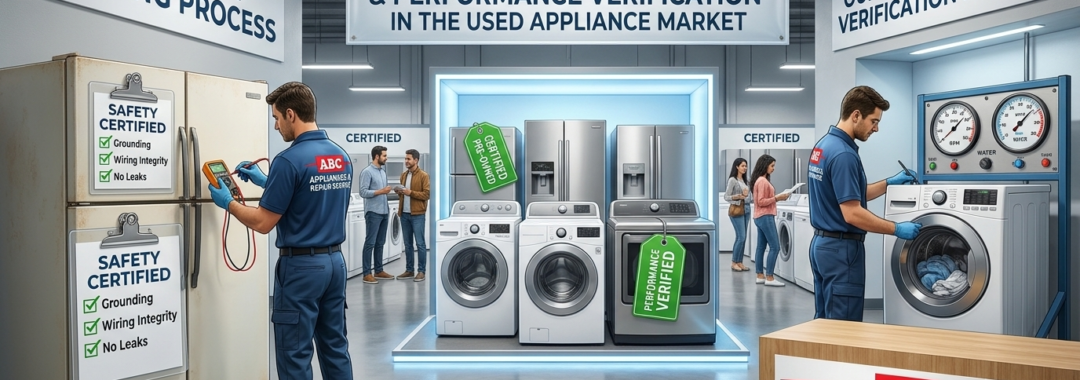
The Importance of Safety Testing and Performance Verification in the Used Appliance Market

Buying a used appliance can be a practical and affordable way to equip a home without paying the full price of a brand-new product. From refrigerators and washing machines to ovens, dishwashers, dryers, and other essential household equipment, pre-owned appliances offer customers an opportunity to save money while still enjoying reliable everyday performance. However, affordability should never come at the expense of safety, quality, or functionality. Unlike new appliances, previously owned products have already experienced regular use, which means their internal components, electrical connections, motors, heating elements, and other critical parts may have experienced wear and tear. Without proper inspection and testing, it can be difficult to determine whether an appliance is genuinely ready for continued use. This is why safety testing and performance verification are essential parts of the used appliance industry. At ABC Appliances, we believe customers deserve appliances that offer both value and confidence, making thorough testing an important part of providing a dependable shopping experience.

Why Safety Testing Matters When Buying Used Appliances

Safety should always be the first consideration when purchasing any electrical or household appliance, particularly when the product has been previously owned. Over time, electrical wiring can deteriorate, insulation can become damaged, connections can loosen, and internal components can develop faults that are not immediately visible. These issues may increase the risk of electrical shocks, overheating, short circuits, or even fire hazards if they are not identified before the appliance is used again. An appliance might look clean and function normally during a brief demonstration, but hidden electrical problems can still create serious safety concerns. Proper safety testing helps identify these potential risks before a product reaches its next owner. It also ensures that essential safety mechanisms, protective components, and electrical connections are operating as intended. Taking these precautions helps create a safer environment for households and reduces the likelihood of unexpected problems after installation.

Understanding the Difference Between Visual Inspection and Technical Testing

A visual inspection is an important starting point when assessing a used appliance, but it should never be treated as a complete assessment of its condition. Checking the exterior, doors, switches, cables, plugs, control panels, and visible components can reveal signs of physical damage, corrosion, cracks, or excessive wear. However, many of the most important problems develop inside an appliance, where they cannot be identified through appearance alone. Technical testing goes further by examining electrical safety, component functionality, operating behaviour, and other performance-related factors. For example, a refrigerator may appear to be in excellent cosmetic condition while struggling to maintain the correct internal temperature. Similarly, a washing machine may power on successfully but have problems with its drainage system, motor, or spin cycle. Combining visual inspections with appropriate technical testing provides a more complete understanding of an appliance’s actual condition. This approach helps distinguish between products that simply look good and those that are genuinely suitable for continued use.

Electrical Safety Checks and Component Inspection

Electrical safety checks are particularly important because most household appliances rely on electrical systems to operate safely and consistently. Damaged power cords, loose terminals, deteriorated insulation, faulty switches, and exposed wiring can all create potential hazards. A proper inspection should examine the condition of electrical connections and identify any visible signs of overheating, burning, or previous repairs. Where appropriate, qualified technicians can carry out electrical safety tests, including earth continuity, insulation resistance, and leakage current testing, according to the appliance type and applicable safety requirements. These assessments help determine whether an appliance’s electrical system is functioning within acceptable safety limits. Internal components such as motors, capacitors, heating elements, and control boards may also require closer examination depending on the appliance’s design and condition. Testing should be performed using suitable equipment and procedures rather than relying on assumptions based on appearance. Addressing electrical concerns before resale helps protect customers and supports more responsible practices throughout the second-hand appliance market.

Performance Verification Ensures Appliances Work as Expected

Safety testing establishes whether an appliance can be used without unacceptable risks, while performance verification determines whether it can carry out its intended functions effectively. Both are necessary because an electrically safe appliance is not automatically a reliable or efficient one. A refrigerator should be able to maintain consistent cooling temperatures, a washing machine should complete its wash and spin cycles properly, and an oven should reach and maintain its selected temperature. Dishwashers should demonstrate effective water circulation and drainage, while dryers should provide suitable drying performance without abnormal overheating. These functions should be assessed under appropriate operating conditions rather than through a quick power-on check. Performance verification also helps identify unusual noises, excessive vibration, inconsistent operation, leaks, and other signs of developing mechanical problems. When these checks are completed before an appliance is offered for sale, customers have greater confidence that the product is ready to support their daily household requirements.

Testing Refrigerators and Freezers for Reliable Cooling

Refrigerators and freezers are among the most important household appliances because they help preserve food and maintain appropriate storage temperatures. A used refrigerator may appear to be operating normally because its lights turn on and its compressor makes familiar sounds, but these signs do not necessarily confirm that the cooling system is working efficiently. Proper testing should examine temperature stability, compressor operation, thermostat functionality, door seals, condenser condition, and airflow inside the compartments. The appliance should be given sufficient time to reach its expected operating temperature, as an immediate assessment may not reveal cooling inconsistencies. Freezers should also be checked for their ability to maintain suitable freezing conditions without excessive frost accumulation or unusual operating behaviour. Door gaskets deserve particular attention because damaged seals allow warm air to enter, forcing the cooling system to work harder and potentially increasing electricity consumption. Thorough refrigeration testing helps identify performance issues that could otherwise result in food spoilage, higher running costs, and unnecessary inconvenience for customers.

Washing Machine and Dryer Performance Assessment

Washing machines and dryers contain several mechanical and electrical components that need to work together to deliver consistent results. When evaluating a used washing machine, important areas include the drum, motor, water inlet valves, drainage pump, door locking mechanism, control panel, and suspension system. Running suitable test cycles can help identify problems such as incomplete drainage, excessive vibration, water leakage, unusual noises, or inconsistent spinning. The condition of the drum and internal seals should also be examined because worn components can affect cleaning performance and increase the possibility of leaks. Dryers require their own assessment, including checks of heating elements, thermostats, airflow, filters, drum movement, and relevant safety controls. Restricted airflow and malfunctioning temperature controls can create overheating risks, making these inspections especially important. Testing these appliances through their relevant operating functions provides a clearer picture of their condition and helps ensure that customers receive products capable of performing their everyday tasks.

Checking Ovens, Cooktops, and Other Kitchen Appliances

Kitchen appliances often involve heating elements, electrical controls, gas connections, and temperature regulation systems, making their inspection particularly important. A used electric oven should be checked for heating consistency, temperature accuracy, door seal condition, control functionality, and proper operation of its heating elements. Cooktops should be examined for damaged surfaces, faulty switches, uneven heating, and other issues that could affect safe operation. For gas appliances, qualified professionals should assess the gas connections, burners, ignition systems, and potential leakage in accordance with applicable safety requirements. Other kitchen appliances, including microwaves and dishwashers, also require checks specific to their operating systems. Microwaves should be inspected for door integrity, interlock operation, and appropriate functional performance, while dishwashers should be tested for water circulation, heating, drainage, and leakage. These checks help identify faults that may not be obvious during a basic demonstration. Careful assessment of kitchen appliances is essential because customers rely on them frequently and expect them to operate safely during everyday household activities.

Identifying Hidden Wear and Tear Before It Becomes a Problem

One of the biggest challenges in the used appliance market is identifying problems that have not yet developed into obvious failures. An appliance may continue to operate despite having worn bearings, deteriorating seals, weakened electrical connections, damaged hoses, or components approaching the end of their useful life. These early warning signs can be difficult for an ordinary buyer to recognise without technical knowledge and suitable inspection equipment. Regular operating tests, internal examinations where appropriate, and careful assessment of components can help reveal developing problems before they lead to more serious breakdowns. For example, unusual vibration may indicate an issue with a washing machine’s suspension or bearings, while inconsistent refrigerator cooling may suggest problems with its thermostat, airflow, or refrigeration system. Identifying these concerns early allows necessary repairs to be completed before the appliance is sold. It also reduces the possibility of customers facing avoidable repair expenses shortly after making their purchase. A responsible approach to assessing wear and tear helps establish more realistic expectations about the condition and remaining service life of pre-owned products.

The Role of Professional Technicians in Appliance Verification

Although basic visual checks can identify several obvious concerns, comprehensive appliance testing often requires technical expertise and specialised equipment. Professional technicians understand how different appliances operate and can recognise symptoms that may indicate deeper electrical, mechanical, or operational faults. They can also follow suitable testing procedures for different appliance categories instead of applying the same inspection process to every product. This is important because a refrigerator, washing machine, electric oven, and gas cooktop all have different safety requirements and operating characteristics. Technicians can identify components that require adjustment, replacement, or repair and determine whether an appliance is suitable for continued use. Where repairs are necessary, the work should be completed using appropriate parts and methods, followed by relevant checks to confirm that the appliance operates correctly. Depending on the nature of the appliance and the work performed, certain repairs may require qualified or authorised professionals. Having knowledgeable people involved in the inspection process strengthens quality control and provides customers with greater confidence when purchasing used household equipment.

How Proper Testing Builds Customer Trust

Customer trust is one of the most important factors influencing purchasing decisions in the second-hand appliance industry. Many buyers are naturally cautious because they may have previously experienced unexpected breakdowns or purchased products that did not perform as promised. Clear information about testing, repairs, and appliance condition can help reduce these concerns and create a more transparent shopping experience. When customers understand that an appliance has undergone appropriate safety and performance checks, they can make decisions based on more than its appearance and selling price. Honest communication about cosmetic imperfections, replaced components, and any known limitations is equally important. It helps customers understand exactly what they are purchasing and prevents unrealistic expectations. A business that prioritises proper testing demonstrates that customer satisfaction extends beyond completing a sale. At ABC Appliances, maintaining confidence through responsible product assessment is an important part of creating a positive buying experience and building long-term customer relationships.

Safety Testing Can Help Reduce Long-Term Ownership Costs

The initial purchase price is only one part of the overall cost of owning a household appliance. Electricity consumption, water usage, maintenance requirements, replacement components, and unexpected repair expenses can all influence the total cost over time. A poorly maintained appliance may be inexpensive to purchase but could become more expensive to operate if it has inefficient components or developing mechanical faults. For example, a refrigerator with damaged door seals may consume additional electricity because its cooling system needs to work harder to maintain the required temperature. A washing machine with drainage problems may require repeated cycles or additional repairs, creating unnecessary inconvenience and expense. Performance verification helps identify these concerns before purchase, allowing customers to make more informed decisions about the value of a particular product. Although testing cannot guarantee that an appliance will never develop a fault, it can reduce the likelihood of purchasing equipment with identifiable existing problems. This makes proper assessment an important consideration for buyers who want to balance affordability with dependable long-term performance.

The Importance of Transparent Product Information

Transparency plays an essential role in making the used appliance market more dependable for both buyers and sellers. Customers should have access to clear information about an appliance’s condition, relevant testing, completed repairs, and any known functional limitations. Providing accurate product descriptions helps buyers understand what to expect before making a purchasing decision. It is also important to distinguish between cosmetic condition and operational condition because a few exterior scratches do not necessarily affect performance, while an appliance that looks almost new may still contain hidden faults. Where available, inspection records and repair documentation can provide additional information about the work completed before resale. Businesses should also communicate applicable warranty coverage, return conditions, and after-sales support without making promises that cannot be fulfilled. This level of openness reduces misunderstandings and encourages more responsible transactions. When product information is accurate and easy to understand, customers are better equipped to select appliances that suit their household needs and budgets.

Safety Standards and Responsible Resale Practices

The resale of electrical and household appliances should be approached with an understanding of relevant product safety requirements and applicable regulations. Requirements can vary depending on the country, appliance category, product age, and type of electrical or gas connection involved. Businesses involved in used appliance sales should understand which standards and testing procedures apply to the products they handle. Appliances with damaged safety components, unsafe wiring, defective insulation, or other serious faults should not be offered for use until the relevant problems have been properly addressed and verified. Some products may be unsuitable for resale altogether if they cannot be restored to an acceptable safety condition. Responsible sellers should also ensure that repairs are carried out by appropriately qualified individuals when specialist work is required. Following suitable safety procedures is not simply about protecting a business from potential complaints. It is about reducing avoidable hazards, supporting consumer confidence, and contributing to a more reliable second-hand appliance industry.

How Testing Supports Sustainability and Responsible Consumption

The used appliance market also plays an important role in promoting more sustainable household consumption. Extending the useful life of appliances can help reduce unnecessary waste and limit the demand for new manufacturing resources. Many pre-owned products still have considerable usable life remaining, provided they are properly inspected, maintained, and repaired where appropriate. However, sustainability should not mean continuing to use equipment that presents unacceptable safety risks or performs inefficiently. Responsible testing helps determine whether an appliance can be safely returned to service and whether any necessary repairs are practical. It also prevents unsuitable products from being passed on to another household without addressing their existing problems. By supporting the reuse of functional appliances, the industry can contribute to reducing landfill waste and making better use of existing resources. A reliable second-hand appliance market therefore offers benefits beyond affordability, helping customers make practical purchasing decisions while supporting more responsible consumption habits.

What Customers Should Consider Before Purchasing a Used Appliance

Before purchasing a pre-owned appliance, customers should look beyond the advertised price and overall appearance. It is worth understanding whether the product has undergone a proper inspection and whether its essential functions have been tested under suitable operating conditions. Buyers should also examine visible components such as power cords, plugs, doors, seals, hoses, switches, and control panels for signs of damage or excessive wear. Asking about the appliance’s previous condition, any repairs completed, and available after-sales support can provide additional clarity. Customers should pay attention to unusual noises, vibrations, odours, leaks, or inconsistent operation during a demonstration. It is also important to consider the appliance’s age, energy efficiency, expected usage, physical dimensions, and compatibility with the intended installation space. These factors can influence both the immediate suitability and long-term value of a purchase. Taking time to ask the right questions helps customers avoid decisions based solely on low prices and select appliances that better meet their expectations.

Choosing a Used Appliance Store That Prioritises Quality

The reliability of a used appliance purchase depends not only on the product itself but also on the practices followed by the seller. A dependable store should take product inspections seriously and understand the importance of checking appliances before making them available to customers. Buyers should look for businesses that communicate clearly about product condition, testing procedures, repairs, and any applicable warranty arrangements. They should also feel comfortable asking questions and receiving straightforward answers instead of vague assurances about product quality. A responsible retailer recognises that selling an appliance is only one part of the customer experience. Helping customers select appropriate products, explaining their condition, and providing relevant support can make a significant difference to overall satisfaction. At ABC Appliances, we understand that purchasing used household equipment should be a practical and reassuring experience. Our focus is on helping customers find suitable appliance options while recognising the importance of safety, functionality, and value.

Conclusion: Making Safety and Performance a Priority in Every Purchase

Safety testing and performance verification are essential to creating a more trustworthy and dependable used appliance market. They help identify electrical hazards, mechanical faults, cooling problems, heating inconsistencies, and other issues that may not be visible during a basic inspection. These checks also allow sellers to address existing problems, provide more accurate product information, and give customers a clearer understanding of what they are purchasing. For buyers, this means greater confidence, fewer avoidable surprises, and a better opportunity to enjoy the financial benefits of choosing pre-owned appliances. For businesses, it supports responsible resale practices, stronger customer relationships, and a reputation built around transparency and quality. The most affordable appliance is not necessarily the best purchase if it creates additional expenses or safety concerns after installation. Taking the time to assess an appliance properly makes it easier to balance cost, performance, and reliability. Ultimately, a successful used appliance purchase should provide practical value without compromising household safety.

Find Quality Used Appliances with Confidence

Looking for affordable household appliances without overlooking quality and reliability? Choosing the right pre-owned appliance starts with understanding its condition, checking its functionality, and buying from a retailer that values customer confidence. We encourage customers to explore available appliance options, ask questions about product condition, and consider their household requirements before making a final decision. Whether you are replacing an old refrigerator, upgrading your washing machine, or searching for practical kitchen appliances, we are here to help you make an informed choice. Get in touch with our team today to discuss your requirements, explore our available products, and find an appliance that offers the right balance of affordability, functionality, and everyday convenience. Contact us today and take the next step towards a smarter and more confident appliance purchase.

The Future of Refurbished Household Appliances: Combining Asset Management, Technical Inspections and Sustainable Practices

Introduction: A Smarter Future for Household Appliances

The way people purchase and use household appliances is changing as more consumers recognise the importance of affordability, product reliability and environmental responsibility. Refrigerators, washing machines, dishwashers, ovens and other essential household equipment are valuable assets that can serve households for many years when they receive proper care and maintenance. However, appliances are often replaced when they develop technical problems, become less efficient or no longer meet the expectations of their owners. Many of these products still have considerable functional life remaining and can be restored through professional inspections, repairs and refurbishment. This creates an opportunity to extend product lifecycles while reducing unnecessary waste and making essential household equipment more accessible. At ABC Appliances, we believe the future of refurbished household appliances depends on combining effective asset management, detailed technical inspections and sustainable business practices to deliver dependable products to modern households.

Understanding the Growing Demand for Refurbished Household Appliances

Refurbished household appliances are becoming an increasingly attractive option for consumers who want dependable products without paying the full price of brand-new equipment. Rising household expenses have encouraged many people to consider alternatives that provide practical value while maintaining essential functionality. A professionally refurbished appliance can offer an affordable solution when it has been properly inspected, repaired and tested before being made available for resale. Consumers are also becoming more aware that purchasing refurbished products can help reduce the environmental impact associated with manufacturing and disposing of household equipment. This shift in purchasing behaviour is creating opportunities for businesses that can demonstrate product quality, transparency and reliable after-sales support. As the market develops, the businesses that establish consistent refurbishment standards will be better positioned to build customer confidence and long-term relationships.

Asset Management: Making Better Use of Existing Appliances

Asset management plays an important role in determining how household appliances are evaluated, maintained, refurbished and returned to productive use. Instead of viewing an appliance as a product that becomes worthless after its first owner replaces it, businesses can assess its remaining useful life and identify opportunities for restoration. This approach requires an understanding of the appliance’s age, condition, operating history, component quality and potential maintenance requirements. Effective asset management also involves maintaining accurate records of inspections, repairs, replacement parts and performance testing throughout the refurbishment process. These records help businesses make informed decisions about which appliances are suitable for refurbishment and which may no longer be economically or technically viable. By applying structured asset management principles, refurbishment businesses can improve resource utilisation, control operating costs and recover more value from products that might otherwise become waste.

The Importance of Technical Inspections Before Resale

Technical inspections are essential for ensuring that refurbished household appliances meet appropriate safety, functionality and performance expectations. An appliance may appear clean and visually attractive while still containing internal faults that could affect its operation or reliability. Therefore, refurbishment should begin with a detailed assessment of its electrical components, mechanical systems, connections, controls and other critical operating parts. Refrigerators may require checks of compressors, cooling performance, temperature controls and door seals, while washing machines need careful examination of motors, drainage systems, water connections and drum mechanisms. Dishwashers, ovens and other appliances also require inspections based on their individual operating systems and safety requirements. A thorough inspection process helps identify hidden problems early, allowing technicians to determine the appropriate repairs and establish whether the appliance is suitable for resale.

Establishing Consistent Refurbishment and Quality Control Standards

A successful refurbishment operation needs clearly defined quality control procedures that are followed throughout every stage of the process. Once an appliance has passed its initial assessment, technicians should identify the components that require cleaning, adjustment, repair or replacement. Repairs should use compatible and appropriate parts, while electrical and mechanical work should be completed by suitably qualified professionals. After refurbishment, the appliance should undergo functional testing under operating conditions to confirm that its essential features work as expected. Businesses should also document completed repairs, inspection findings and any relevant limitations so customers receive accurate information before making a purchase. Consistent quality control reduces the likelihood of repeat faults, supports customer satisfaction and helps establish a reputation for dependable refurbished products.

Predictive Maintenance and the Role of Technology

Technology is creating new opportunities to improve how businesses inspect, maintain and manage household appliances. Predictive maintenance uses equipment condition information, operating patterns and technical data to identify potential problems before they develop into major failures. Although not every household appliance provides advanced diagnostic information, many modern models include electronic controls, fault codes and monitoring capabilities that can support more accurate troubleshooting. Technicians can use these features alongside conventional inspection methods to identify performance issues and determine which components may require attention. Digital maintenance records can also help refurbishment businesses track recurring faults across different appliance models and identify components that frequently require replacement. Over time, these insights can improve inspection procedures, support better purchasing decisions and make refurbishment operations more efficient.

Sustainable Practices and the Reduction of Electronic Waste

Sustainability is one of the strongest reasons to support the growth of the refurbished household appliance market. When functioning appliances are discarded unnecessarily, they contribute to growing volumes of electrical and electronic waste that require responsible handling and disposal. Refurbishment provides an alternative by extending the useful life of existing products and reducing the demand for newly manufactured equipment. Manufacturing new appliances requires raw materials, energy, water, transportation and industrial processes, all of which contribute to environmental impacts. By restoring suitable appliances, businesses can help reduce the need for some new production while keeping valuable materials and components in use for longer. Responsible refurbishment should also include proper recycling and disposal procedures for damaged components, refrigerants, batteries and other materials that cannot be safely reused.

The Circular Economy and the Future of Appliance Refurbishment

The circular economy provides a useful framework for understanding how refurbished appliances can contribute to more sustainable consumption. Traditional production models often follow a linear pattern in which products are manufactured, purchased, used and eventually discarded. A circular approach aims to keep products and materials in circulation for as long as practical through maintenance, repair, refurbishment, reuse and recycling. Household appliances are particularly suitable for this approach because many products contain valuable components that can remain functional even when individual parts fail. Businesses can assess returned or pre-owned equipment, recover usable components and restore appliances that meet suitable technical and safety requirements. This model creates opportunities to reduce material waste while developing more efficient systems for collecting, repairing and reselling household equipment.

Improving Energy Efficiency in Refurbished Appliances

Energy efficiency is another important consideration when evaluating the future potential of refurbished household appliances. An appliance may be fully functional but still consume considerably more electricity than a newer, more efficient alternative. This means refurbishment decisions should consider not only the immediate repair cost but also the appliance’s expected operating efficiency and long-term suitability. Technicians can inspect door seals, motors, heating elements, cooling systems and other components that influence energy consumption. Cleaning and restoring these systems may improve performance when poor maintenance or worn components have affected their operation. However, refurbishment cannot automatically bring an older appliance up to the efficiency standards of a modern model, so customers should receive honest information about energy performance and expected running costs before purchasing.

Building Customer Trust Through Transparency

Customer confidence is essential to the long-term success of the refurbished appliance industry. Many buyers want to understand exactly what they are purchasing, particularly when choosing an appliance that has previously been owned or used. Businesses can build trust by clearly explaining the inspection process, repairs completed, components replaced and functional tests performed before resale. Product descriptions should accurately communicate the appliance’s condition without making unsupported claims about its performance or remaining lifespan. Clear warranty terms and accessible after-sales support can also help customers feel more confident about their purchasing decisions. When businesses prioritise transparency, they demonstrate that refurbished products are not simply cheaper alternatives but carefully evaluated appliances that offer practical value when selected appropriately.

Managing Refurbishment Costs and Operational Efficiency

Effective cost management is necessary to make refurbishment commercially sustainable while keeping products affordable for customers. Every appliance has different repair requirements, component costs and potential resale values, making individual assessments important before work begins. Businesses should evaluate labour expenses, spare part availability, transportation, cleaning, testing and storage costs when determining whether refurbishment is financially practical. A structured asset management system can help track these expenses and identify which appliance categories provide the best opportunities for recovery and resale. It can also highlight recurring technical problems that may increase maintenance costs or reduce the reliability of particular models. By combining accurate financial records with technical inspection findings, businesses can make better decisions about purchasing, repairing and selling refurbished household equipment.

The Importance of Skilled Technicians and Technical Training

The quality of refurbished appliances depends heavily on the knowledge and practical skills of the technicians responsible for inspecting and repairing them. Modern household equipment increasingly combines mechanical systems with electronic controls, sensors, software and energy management technologies. This means technicians need a strong understanding of traditional appliance repair as well as the ability to diagnose more complex electrical and electronic faults. Regular technical training helps professionals stay familiar with changing appliance designs, safety requirements, diagnostic equipment and repair procedures. Businesses should also establish clear working standards so technicians follow consistent processes when assessing, repairing and testing products. Investing in technical expertise improves refurbishment quality, reduces avoidable repair mistakes and supports the development of a more professional and reliable industry.

Responsible Sourcing and Spare Parts Management

The availability and quality of replacement components can significantly influence the success of household appliance refurbishment. Businesses need reliable sourcing practices to ensure that the parts used during repairs are suitable for the specific appliance model and meet relevant safety and performance requirements. Maintaining an organised inventory of commonly required components can reduce repair delays and improve workshop productivity. Where appropriate, compatible recovered components may also be reused after proper inspection and testing. However, businesses must avoid using damaged, unsuitable or unverified parts simply to reduce refurbishment expenses. Responsible sourcing, accurate component records and effective inventory management help maintain repair standards while supporting the wider objective of extending appliance lifecycles.

Regulatory Compliance and Appliance Safety

Safety and regulatory compliance must remain central to the refurbished appliance industry as the market continues to expand. Household appliances involve electrical connections, moving components, heating elements, water systems and, in some cases, refrigerants that require appropriate handling. Businesses must understand the safety requirements applicable to the products they inspect, repair and sell within their operating markets. Electrical testing, appropriate component replacement and safe handling procedures should form part of the refurbishment process. Appliances that cannot meet applicable safety requirements should not be returned to customers for use. Maintaining inspection documentation and following relevant regulations protects consumers while helping refurbishment businesses demonstrate their commitment to responsible operations.

What Consumers Should Look for When Buying Refurbished Appliances

Consumers can make better purchasing decisions by looking beyond the initial price and understanding how an appliance has been evaluated before resale. A suitable refurbished product should have undergone a documented inspection, with any necessary repairs completed and its essential functions tested. Buyers should ask about the appliance’s condition, age, energy efficiency, replacement components and available warranty coverage. It is also important to understand whether the seller provides assistance if a technical problem develops after purchase. Comparing the expected operating costs of an older refurbished model with those of a newer appliance can help determine which option offers better long-term value. Choosing a seller that prioritises technical standards, accurate product information and customer support can make the purchasing experience more dependable.

The Future: Smarter, More Sustainable Appliance Retail

The future of refurbished household appliances will increasingly depend on the integration of technology, structured asset management and environmentally responsible business practices. Digital inventory systems can improve product tracking, while maintenance databases can help businesses understand repair histories and recurring component failures. Better diagnostic tools will support more accurate technical assessments, particularly as household appliances become increasingly connected and electronically controlled. Customers are also likely to place greater importance on transparent refurbishment standards, product reliability and the environmental impact of their purchasing decisions. Businesses that invest in professional inspections, technician training, efficient spare parts management and responsible recycling will be better prepared to respond to these expectations. As these practices become more established, refurbished appliances can play an important role in making household equipment more affordable while supporting a more resource-efficient economy.

Conclusion: Making Refurbishment a Responsible Choice

Refurbished household appliances represent an important opportunity to rethink how valuable products are maintained, reused and managed throughout their useful lives. Their long-term success depends on more than repairing visible faults or offering lower prices than new products. It requires a structured approach that combines asset lifecycle management, detailed technical inspections, quality control, responsible component sourcing and sustainable operating practices. When these elements work together, businesses can recover value from existing appliances, reduce avoidable waste and provide customers with more affordable purchasing options. We believe that a strong refurbishment industry should be built on technical expertise, honest product information and a genuine commitment to extending the useful life of household equipment. By adopting these principles, the industry can move towards a future where responsible consumption and reliable appliance performance go hand in hand.

Explore Affordable and Reliable Refurbished Household Appliances

Choosing a refurbished household appliance can be a practical way to manage household expenses while supporting more responsible consumption. At ABC Appliances, we encourage customers to look for products that combine affordability, proper technical assessment and dependable functionality. Whether you are looking for a refrigerator, washing machine, dishwasher or another essential household appliance, our aim is to help you make an informed purchasing decision. Explore our available appliance range, compare suitable options and contact our team if you need assistance finding the right product for your household. Get in touch with us today to discover our refurbished household appliances and find a practical solution that meets your needs and budget.