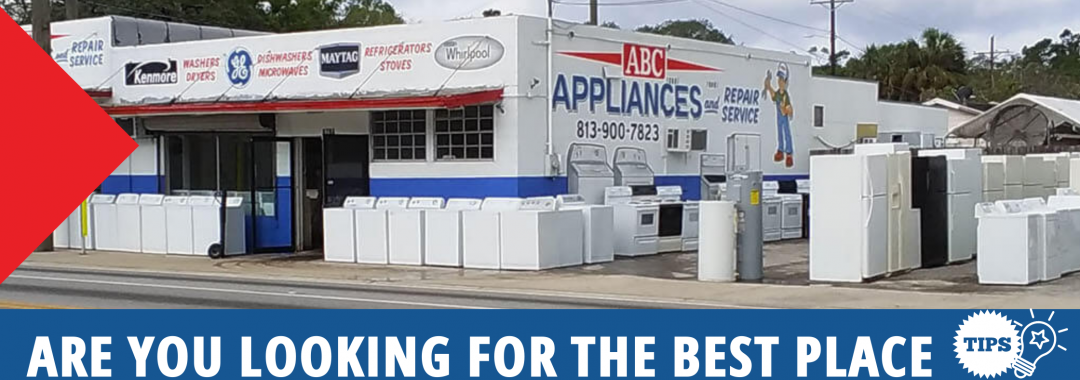
refrigerator repair in tampa

What to Check Inside a Used Refrigerator Before Buying It in Tampa

What to Check Inside a Used Refrigerator Before Buying It in Tampa

Buying a used refrigerator can be a practical way to save money while getting a reliable appliance for your home, rental property, or business. However, a refrigerator may look clean and attractive on the outside while hiding problems that affect its cooling performance, energy efficiency, or long-term reliability. Before making a purchase, it is important to inspect the appliance carefully and understand how its major components function. Tampa’s warm and humid climate makes refrigerator performance particularly important because the appliance must maintain safe food storage temperatures throughout the year. A refrigerator that struggles to cool properly can lead to spoiled groceries, unnecessary electricity costs, and expensive repairs. At ABC Appliances, we understand the importance of choosing an appliance that offers dependable performance and value for your money.

Why Inspecting a Used Refrigerator Matters

A used refrigerator can offer excellent value when it has been properly maintained and remains in good working condition. However, previous usage, poor maintenance, damaged components, and improper storage can affect how well the appliance performs. Some problems are immediately noticeable, while others only become apparent after the refrigerator has been running for several hours. Inspecting the interior before purchasing helps you identify warning signs that might otherwise be overlooked. It also gives you an opportunity to ask the seller about the refrigerator’s age, service history, and previous repairs. Taking time to evaluate these details can help you make a more informed decision and avoid purchasing an appliance that requires costly attention soon after installation.

Check the Refrigerator’s Overall Cleanliness

The first thing to examine when opening a used refrigerator is its overall cleanliness. Look carefully at the interior walls, shelves, drawers, door compartments, and corners where dirt and food residue can accumulate. Lingering odors may indicate that the refrigerator was not cleaned regularly or that spoiled food was left inside for an extended period. Pay particular attention to dark stains, sticky surfaces, and residue around the door seals, as these areas can be difficult to clean thoroughly. A small amount of ordinary surface dirt is generally manageable, but persistent odors, extensive staining, or visible mold may suggest deeper sanitation problems. Before purchasing, confirm that the interior can be cleaned effectively and that no obvious signs of neglect remain.

Inspect the Interior Walls for Cracks and Damage

The interior lining plays an important role in protecting the refrigerator’s insulated structure and maintaining consistent temperatures. Examine the walls of the refrigerator compartment and freezer for cracks, punctures, deep scratches, or sections that appear warped. Minor cosmetic marks may not affect performance, but significant damage can create cleaning difficulties or indicate that the appliance has experienced rough handling. Look around the corners, near the shelves, and along the back wall where damage may be less noticeable. You should also check for unusual discoloration, bubbling, or areas that appear to have been repaired. If you find substantial damage, ask the seller about its cause and consider having the refrigerator evaluated before deciding whether it represents a worthwhile purchase.

Examine the Shelves and Storage Drawers

Shelves and drawers influence how conveniently you can organize groceries and keep different types of food separated. Check whether every shelf is present, properly supported, and free from major cracks or broken edges. Glass shelves should be inspected carefully for chips, hairline fractures, and damaged corners that could cause them to break under weight. Plastic shelves and drawers should slide smoothly without catching, bending, or falling out of their tracks. Open and close each crisper drawer to ensure it moves properly and sits securely in its designated space. Replacing missing or damaged components can add to the total purchase cost, so inspect these features before agreeing to the final price.

Test the Refrigerator’s Cooling Performance

Cooling performance is one of the most important factors to evaluate when buying a used refrigerator. Ask the seller to connect the appliance to a suitable electrical outlet and allow it to operate long enough to demonstrate its condition. If the refrigerator has already been running, use an appliance thermometer to check the temperature inside the fresh food compartment. Ideally, the refrigerator should maintain a temperature of 40°F or below, while the freezer should generally remain at 0°F. Do not rely solely on the sensation of cold air when opening the door, because an appliance can feel cool without maintaining a safe and consistent temperature. If the refrigerator is not operating at the recommended temperatures, ask for further testing before purchasing it, since cooling problems can result from several different component failures.

Look for Signs of Uneven Cooling

A refrigerator may produce cold air while still struggling to distribute it evenly throughout the interior. Check whether the upper and lower shelves appear to maintain similar cooling conditions, and pay attention to any areas where frost or moisture has accumulated unusually. Some temperature variation is normal, especially when the door is opened frequently, but persistent warm areas can indicate airflow restrictions or other performance problems. Blocked vents, damaged fans, and incorrectly positioned shelves can interfere with circulation inside the appliance. You should also inspect the air vents for food residue or obstructions that might prevent cold air from reaching different compartments. Consistent cooling is especially valuable in Tampa, where warm surroundings can increase the demands placed on a refrigerator.

Inspect the Freezer Compartment Carefully

The freezer deserves the same attention as the main refrigerator compartment because problems in one area can affect the overall performance of the appliance. Examine the freezer walls, shelves, and drawers for excessive frost, unusual ice buildup, cracks, or missing components. A light layer of frost may be normal in some circumstances, but thick ice accumulation can indicate a defrost system issue, a damaged door gasket, or another problem requiring investigation. Check whether the freezer door closes securely and whether its interior surfaces appear clean and undamaged. Ask the seller to demonstrate that the freezer reaches and maintains an appropriate temperature. If the appliance includes an automatic ice maker, confirm whether it operates correctly and whether the necessary water connections are intact.

Check the Door Seals and Hinges

Door seals, also known as gaskets, help prevent warm air from entering the refrigerator and allow the appliance to maintain stable internal temperatures. Inspect the rubber seals around both the refrigerator and freezer doors for cracks, tears, stiffness, mold, or sections that have pulled away from the frame. Close each door and check whether it sits evenly without leaving visible gaps around the edges. You can also perform a simple paper test by placing a sheet of paper between the door and its frame before closing it, then gently pulling the paper out. If the paper slides out with very little resistance in several areas, the seal may not be tight enough. Examine the hinges as well, because loose or damaged hinges can prevent proper closure and contribute to cooling inefficiency.

Look for Unusual Moisture and Water Leaks

Moisture inside a refrigerator can sometimes be normal, but persistent water accumulation deserves closer inspection. Examine the bottom of the refrigerator compartment, the crisper drawers, and the floor beneath the appliance for signs of standing water or dried water marks. A blocked defrost drain can cause water to collect inside the refrigerator, while damaged water lines may create leaks in models equipped with dispensers or ice makers. Tampa’s humid climate can also contribute to condensation when warm air enters through a poorly sealed door. Ask the seller whether the appliance has experienced drainage problems or water leakage in the past. Before completing the purchase, determine whether any visible moisture is related to routine condensation or a problem that could require repairs.

Test the Interior Lighting and Temperature Controls

Interior lighting and temperature controls may seem like minor features, but they contribute to everyday convenience and help you assess the appliance’s general condition. Open the refrigerator door and check whether the light switches on promptly and illuminates the compartment properly. Adjust the temperature controls and observe whether the display or control panel responds as expected. Digital models should not display persistent error codes, flickering screens, or controls that fail to register adjustments. If the refrigerator has separate settings for different compartments, test each available control according to the manufacturer’s instructions. Although a faulty light or control may be inexpensive to repair in some models, electronic components can be costly, so it is sensible to identify any problems before buying.

Examine the Water Dispenser and Ice Maker

If you are considering a refrigerator with an external water dispenser or automatic ice maker, make sure these features are included in your inspection. Check the dispenser housing for cracks, mineral deposits, loose components, and signs of water leakage. Ask the seller to demonstrate water dispensing if the appliance is connected to a suitable water supply. For an ice maker, verify that the mechanism is present, that the ice bin is clean, and that the unit can produce ice when properly connected and given sufficient operating time. Inspect accessible water lines for signs of damage, kinks, or deterioration. Because dispenser and ice maker systems contain additional components that may require maintenance, confirm their condition rather than assuming they work simply because they are installed.

Listen for Unusual Noises and Check for Odors

A refrigerator naturally produces some sounds as its compressor, fans, and other components operate. However, loud grinding, repeated clicking, persistent rattling, or harsh buzzing may indicate a mechanical problem that deserves further investigation. Listen to the refrigerator while it is running and note whether the noise changes significantly when the doors are opened or closed. Also pay attention to strong chemical, musty, or persistent spoiled-food odors inside the appliance. A refrigerator that has been switched off for a long period may smell stale, but an odor that remains after thorough cleaning could indicate contamination or an underlying issue. If anything seems unusual, ask for an explanation and consider a professional inspection before committing to the purchase.

Review the Refrigerator’s Age and Maintenance History

The refrigerator’s age can provide useful context when evaluating its expected lifespan and potential repair costs. Ask the seller for the brand, model number, approximate purchase date, and any available service records. The model and serial number are often located on a label inside the refrigerator compartment or around the door frame, although the exact location varies by manufacturer. Use the model information to investigate the appliance’s specifications, replacement part availability, and recommended maintenance requirements. Ask whether the refrigerator has required compressor repairs, refrigerant-system work, or repeated service visits. An older appliance is not automatically a poor purchase, but its condition, repair history, expected operating costs, and asking price should all be considered together.

Consider Energy Efficiency and Operating Costs

The purchase price is only one part of the total cost of owning a used refrigerator. An older model may consume more electricity than a comparable newer appliance, particularly if its door seals, cooling components, or insulation are no longer performing efficiently. Check for an EnergyGuide label when available and compare the estimated annual electricity use with that of similar models. Remember that actual consumption depends on the appliance’s condition, size, temperature settings, usage patterns, and surrounding environment. In Tampa, where refrigerators operate throughout a warm climate and homes may rely heavily on air conditioning, energy consumption can be an important household expense. Choosing a refrigerator that combines a reasonable purchase price with dependable cooling and manageable electricity costs can provide better long-term value.

Make Sure the Refrigerator Fits Your Tampa Home

Before buying a used refrigerator, measure the space where you plan to install it and compare those measurements with the appliance’s exterior dimensions. Remember to account for the height, width, depth, door swing, and clearance required for ventilation. Check the route from the delivery vehicle to the kitchen, including doorways, hallways, stairs, and tight corners. You should also confirm that the available electrical outlet meets the manufacturer’s requirements and that any necessary water connection is suitable for models with dispensers or ice makers. Proper ventilation is important because refrigerators release heat as part of the cooling process, and inadequate clearance can affect efficiency. Planning these details in advance can prevent delivery complications and help ensure that your new appliance operates properly once installed.

Compare the Asking Price With the Refrigerator’s Condition

A low price does not necessarily mean that a used refrigerator is a good deal. Compare the asking price with similar models while accounting for age, condition, capacity, features, and expected repair expenses. Consider the cost of replacing missing shelves, damaged gaskets, broken drawers, or malfunctioning electronic components. You should also factor in transportation, installation, and any additional expenses associated with water connections or required repairs. If the refrigerator has visible damage or an uncertain service history, ask the seller whether the price reflects those concerns. A well-maintained appliance with documented performance and a reasonable price may offer better value than a cheaper refrigerator with hidden mechanical problems.

Ask About Delivery, Returns, and Warranty Coverage

Understanding the purchase terms is just as important as inspecting the refrigerator itself. Ask whether delivery is available to your Tampa address and whether the price includes moving the appliance into your home and positioning it in the designated space. Confirm what happens if the refrigerator fails to cool properly after installation or develops a problem shortly after purchase. Request written details about any return period, limited warranty, or service support that may be available. If the appliance is sold as-is, understand that you may be responsible for repair costs after the sale, subject to applicable consumer protection requirements. Clear purchase terms help establish realistic expectations and reduce the risk of disagreements if an issue arises later.

Why Buy a Used Refrigerator From a Trusted Local Store?

Purchasing from an established local appliance store can make the buying process more straightforward because you can ask questions, compare available models, and clarify the terms before making a decision. A reputable seller should be willing to explain the refrigerator’s known condition, demonstrate its operation when possible, and provide accurate information about any included features. You should still inspect the appliance yourself and confirm the details that matter most to your household. At ABC Appliances, we believe that choosing a used refrigerator should involve more than finding the lowest available price. Understanding the appliance’s cooling performance, interior condition, operating costs, and purchase terms helps customers make decisions with greater confidence. Taking this careful approach can help you find an appliance that suits your needs without exceeding your budget.

Final Thoughts on Buying a Used Refrigerator in Tampa

Buying a used refrigerator can be a smart option when you know what to inspect and how to recognize potential warning signs. Focus on the cooling system, freezer performance, door seals, shelves, drawers, moisture levels, lighting, and temperature controls before making your decision. Check the appliance’s age and maintenance history, and consider its expected electricity consumption alongside the initial purchase price. Tampa’s warm and humid conditions make reliable cooling and proper door sealing particularly important for everyday food storage. Do not overlook delivery arrangements, installation requirements, or the terms governing returns and repairs. By evaluating these details carefully, you can improve your chances of finding a used refrigerator that offers dependable performance, practical storage, and lasting value for your home.
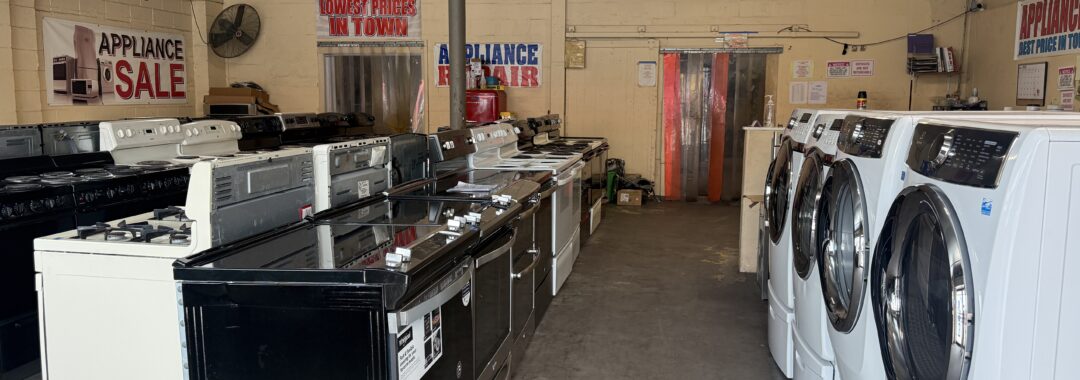
 

Pre-Owned Appliances vs. Refurbished Appliances: Which Option Offers Better Value for Tampa Buyers?

Understanding the Difference Between Pre-Owned and Refurbished Appliances

Buying affordable appliances does not necessarily mean compromising on quality, performance, or convenience. For Tampa homeowners, renters, landlords, and families, pre-owned and refurbished appliances offer practical alternatives to purchasing brand-new models at full retail prices. Although these two options may appear similar, they differ in terms of condition, inspection, repairs, and overall reliability. Pre-owned appliances are generally products that have been used by previous owners and are resold in their existing condition, although some sellers may perform basic cleaning and testing before offering them for sale. Refurbished appliances, on the other hand, have typically undergone inspection, testing, cleaning, and necessary repairs or component replacements to improve their condition and functionality. At ABC Appliances, we understand that choosing between these options requires careful consideration of your budget, household requirements, and expectations for long-term performance.

What Are Pre-Owned Appliances?

Pre-owned appliances are previously used household machines that are offered for resale after their original owners no longer need them. These products can include refrigerators, washing machines, dryers, dishwashers, ovens, microwaves, and other essential household equipment. Their condition can vary considerably depending on the original owner’s usage habits, maintenance practices, appliance age, and storage conditions. Some pre-owned appliances may be in excellent working order with only minor cosmetic imperfections, while others might show visible wear or have components approaching the end of their useful life. Buyers should understand that the term pre-owned does not automatically guarantee professional inspection, repairs, or performance testing before purchase. For Tampa shoppers seeking affordable appliances, pre-owned models can provide substantial savings when their condition and functionality are carefully evaluated before making a decision.

What Are Refurbished Appliances?

Refurbished appliances are previously owned products that have undergone a process intended to restore or improve their working condition before resale. Depending on the seller and the appliance’s original condition, refurbishment may involve diagnostic testing, internal cleaning, replacement of worn components, electrical checks, or repairs to specific mechanical problems. The extent of this work can vary between sellers, so buyers should never assume that every refurbished appliance receives the same level of service. Some products may require only minor adjustments, while others may need more extensive repairs before they are ready for another household. A reputable seller should be able to explain what was inspected, which components were repaired or replaced, and whether the appliance comes with any warranty coverage. For buyers who want a balance between affordability and greater confidence in performance, refurbished appliances can be an appealing option when the restoration process is clearly documented.

Comparing Purchase Prices and Initial Savings

Price is often the first factor Tampa buyers consider when deciding between pre-owned and refurbished appliances. Pre-owned models may have lower upfront prices because they are sold with varying levels of wear and may not include professional servicing or extensive repairs. This can make them attractive to students, first-time renters, property investors, and homeowners furnishing a kitchen or laundry room on a limited budget. Refurbished appliances may cost somewhat more because the seller has invested time, labor, testing, and replacement parts into restoring the product. However, a higher purchase price does not automatically mean that a refurbished model offers better value, just as a lower price does not guarantee a good bargain. Buyers should compare the actual condition, included features, testing procedures, and warranty terms of individual appliances rather than relying on the product category alone.

Long-Term Value and Potential Repair Expenses

The true cost of an appliance extends beyond the amount paid at checkout. An inexpensive refrigerator that develops cooling problems shortly after purchase could require repairs that significantly reduce the original savings. Similarly, a pre-owned washing machine with worn bearings, damaged hoses, or drainage issues may become more expensive than expected if these problems are not identified before buying. Refurbished appliances may reduce some of these risks when the seller has properly diagnosed existing faults and replaced defective components, although refurbishment cannot eliminate every possibility of future failure. The potential for additional expenses depends on the appliance’s age, condition, previous maintenance, replacement-part availability, and the quality of any repairs performed. Tampa buyers can make more informed decisions by considering the likely total cost of ownership, including purchase price, delivery, installation, energy consumption, and possible maintenance expenses.

Appliance Reliability and Performance

Reliability is particularly important when purchasing essential appliances that households depend on every day. A refrigerator must maintain safe food storage temperatures, a washing machine needs to complete cycles consistently, and a dryer should operate with properly functioning heating and airflow systems. A well-maintained pre-owned appliance can continue working effectively for years, especially when its previous owner followed appropriate maintenance practices and the machine has not experienced excessive use. However, buyers may have limited information about its service history, previous faults, or remaining component life. Refurbished appliances can offer additional reassurance when they have undergone meaningful performance testing and any identified faults have been corrected by qualified technicians. Before making a purchase, ask the seller to demonstrate the appliance’s operation and explain which functions were tested, because the label alone cannot establish its reliability.

Warranty Coverage and Buyer Protection

Warranty coverage can make a significant difference when comparing pre-owned and refurbished appliances. Many pre-owned products are sold with limited or no warranty, although individual sellers may offer protection depending on their policies. Refurbished appliances may include a limited warranty covering specified components or repairs for a defined period, but this benefit is not guaranteed. Buyers should carefully review what the warranty covers, how long the coverage lasts, whether labor is included, and which conditions could invalidate a claim. It is also important to understand the seller’s return policy and whether service is available locally if a problem occurs after installation. At ABC Appliances, we encourage shoppers to ask direct questions about warranty and return terms before purchasing, since clear policies help buyers understand their options and avoid unexpected expenses.

Choosing the Right Refrigerator for Your Tampa Home

Refrigerators are among the most important appliances to evaluate carefully because they operate continuously and directly affect food storage. Tampa’s warm climate can increase the demands placed on refrigeration equipment, particularly when a unit is installed in a hot garage, enclosed utility area, or space with insufficient ventilation. Buyers should inspect door seals, shelving, temperature controls, condenser areas, and visible signs of corrosion or damage before selecting a pre-owned refrigerator. A refurbished refrigerator may offer greater peace of mind if its cooling performance, compressor operation, door seals, and other relevant components have been checked and documented. Energy efficiency should also be considered because a less efficient older model may cost more to operate over time than a newer, more efficient alternative. For the best value, compare the refrigerator’s purchase price with its condition, expected operating costs, storage capacity, and the seller’s available service support.

Finding Value in Pre-Owned and Refurbished Washers and Dryers

Laundry appliances are another category where the distinction between pre-owned and refurbished products can affect household expenses. Pre-owned washers and dryers may be suitable for buyers who need a budget-friendly solution and can verify that the machines operate correctly. Before purchasing a washing machine, check the drum, door or lid, water connections, drainage system, control panel, and spin cycle for signs of excessive vibration or malfunction. For dryers, buyers should examine the door latch, heating function, drum movement, lint filter, and visible condition of the vent connection. Refurbished laundry appliances may be worth the additional expense when the seller has tested essential functions and replaced worn or defective parts. Tampa households should also account for installation requirements, available space, electrical connections, water hookups, and proper dryer ventilation to avoid paying for equipment that does not fit their existing setup.

Energy Efficiency and Utility Costs

Energy efficiency can influence the overall value of both pre-owned and refurbished appliances, particularly when the equipment will be used frequently. Older models may consume more electricity or water than comparable newer appliances, depending on their design, condition, and operating efficiency. Refrigerators run throughout the day, while washing machines and dryers can contribute significantly to household utility use when operated frequently. Buyers should examine the appliance’s energy information when available and compare estimated operating costs instead of assuming that a cheaper purchase will always produce greater savings. Refurbishing an appliance does not necessarily make it more energy-efficient because repairs generally restore functionality rather than fundamentally change the original design. Choosing a well-maintained appliance with suitable efficiency ratings can help Tampa buyers manage recurring household expenses while keeping the initial investment affordable.

Environmental Benefits of Buying Used Appliances

Purchasing pre-owned or refurbished appliances can also support more responsible consumption by extending the useful life of existing products. Manufacturing new appliances requires raw materials, energy, transportation, and packaging, while discarded equipment can contribute to landfill waste when it is not properly recycled. Buying a functional used appliance may reduce demand for new manufacturing and delay the disposal of equipment that still has useful life remaining. Refurbishment can provide an additional environmental benefit when appropriate repairs allow a product to remain in service instead of being discarded because of a replaceable fault. However, keeping an extremely inefficient or unreliable appliance in operation is not always the most sustainable choice, especially if repeated repairs or excessive energy use outweigh the benefits. Tampa buyers can make more environmentally conscious decisions by choosing products that are safe, functional, reasonably efficient, and likely to remain useful for a practical period.

What Tampa Buyers Should Inspect Before Purchasing

A careful inspection is essential regardless of whether an appliance is advertised as pre-owned or refurbished. Begin by examining the exterior for dents, cracks, rust, missing parts, damaged cords, and other visible signs of deterioration. Check the interior for cleanliness, unusual odors, broken shelves, worn seals, or evidence of water damage that could indicate a more serious problem. Whenever possible, ask the seller to connect the appliance and demonstrate its important functions, including cooling, heating, spinning, draining, or other operations relevant to the product. Request information about the appliance’s age, maintenance history, previous repairs, refurbishment work, and any known defects that could affect future performance. Before completing the purchase, confirm the total price, delivery arrangements, installation requirements, warranty conditions, and return policy so you can evaluate the offer with a complete understanding of its benefits and limitations.

When Pre-Owned Appliances Offer Better Value

Pre-owned appliances may be the better choice when the priority is minimizing the initial purchase price without sacrificing essential functionality. Buyers furnishing a rental property, equipping a temporary residence, or replacing an appliance on short notice may benefit from selecting a clean, tested product that fits their budget. A pre-owned model can also provide excellent value when it has a documented maintenance history, shows limited wear, and performs well during an inspection. The key is to avoid choosing an appliance solely because it is the cheapest option available. Consider whether the product’s condition, expected service life, energy consumption, and repair requirements justify the asking price. When these factors are favorable, pre-owned appliances can provide practical household performance without the expense of buying new equipment.

When Refurbished Appliances Offer Better Value

Refurbished appliances may be the stronger option when buyers want a more structured purchasing process and additional confidence that identified problems have been addressed. This can be especially valuable for refrigerators, washers, dryers, and other essential appliances that would be inconvenient or expensive to replace shortly after purchase. Buyers may also prefer refurbished models when the seller provides documented testing, details of completed repairs, and a clearly defined warranty. These features can make it easier to understand the product’s condition and the support available if a covered issue develops. Nevertheless, the value of refurbishment depends on the quality of the work performed, the original appliance’s age, and the transparency of the seller. Comparing the refurbishment details and warranty terms of specific products will help Tampa shoppers determine whether paying more upfront offers a meaningful advantage.

How to Choose the Best Option for Your Budget

The best purchasing decision begins with establishing a realistic budget and identifying the appliance features that matter most to your household. Determine whether you need a basic, functional model or would benefit from additional features such as larger capacity, specialized wash cycles, improved temperature controls, or enhanced energy efficiency. Compare several products within your price range and evaluate their physical condition, age, performance, repair history, and expected operating costs. It is equally important to verify that the appliance fits your available space and can be installed using your existing connections without expensive modifications. If two appliances have similar prices, a refurbished model with documented repairs and meaningful warranty coverage may offer better overall value than an untested pre-owned alternative. Conversely, a well-maintained pre-owned appliance in excellent condition may be the smarter purchase if the price difference is substantial and the risks are acceptable.

Why Local Appliance Shopping Matters

Shopping with a local appliance seller can make it easier to evaluate products in person and obtain answers to questions about their condition. Tampa buyers may benefit from speaking directly with knowledgeable staff who can explain available models, discuss differences in appliance features, and clarify delivery or installation arrangements. Seeing an appliance before purchase allows you to assess its appearance, dimensions, and general condition rather than relying exclusively on photographs or brief online descriptions. Local service availability can also be useful if you need assistance understanding warranty coverage or arranging support after delivery. Buyers should still verify the seller’s policies and product information rather than assuming that every local retailer offers the same protections. At ABC Appliances, we believe that informed decisions begin with transparent information, practical comparisons, and a clear understanding of what each appliance offers for its price.

Common Mistakes to Avoid When Buying Used Appliances

One of the most common mistakes is assuming that the terms pre-owned and refurbished guarantee a particular standard of quality. Another is focusing entirely on the initial price while overlooking repair expenses, energy consumption, delivery charges, or installation costs. Buyers sometimes overlook an appliance’s age, ignore warning signs such as unusual noises or damaged seals, or fail to test the functions they will rely on most frequently. It is also risky to assume that a refurbished appliance includes a warranty without obtaining the actual terms in writing. Purchasing a model that does not fit the available space or existing utility connections can create additional expenses that reduce its value. Taking time to inspect the appliance, ask questions, compare alternatives, and review the seller’s policies can help prevent avoidable problems and lead to a more satisfying purchase.

Pre-Owned vs. Refurbished Appliances: Making the Final Decision

Neither pre-owned nor refurbished appliances are automatically the better choice for every Tampa buyer. Pre-owned models can deliver excellent savings when they are in good condition, have been properly maintained, and are priced according to their age and functionality. Refurbished models may offer better value when professional testing, necessary repairs, and warranty protection justify the additional upfront cost. The right decision depends on the individual appliance rather than the label attached to it. Buyers should compare the total cost of ownership, expected reliability, energy efficiency, repair history, and available support before making a final selection. By evaluating these factors together, you can choose an appliance that meets your household needs while keeping your spending under control.

Shop Smart for Affordable Appliances in Tampa

Finding the right appliance means balancing affordability with dependable performance and realistic expectations about long-term ownership. Whether you are furnishing a new home, replacing a failing refrigerator, upgrading your laundry room, or equipping a rental property, understanding the differences between pre-owned and refurbished products can help you spend your money more effectively. Look beyond the advertised price and ask about inspection procedures, repair work, product condition, warranty coverage, and delivery arrangements. Consider your household’s usage patterns and the potential cost of operating and maintaining the appliance over time. A carefully selected pre-owned model may be ideal for buyers seeking maximum upfront savings, while a properly refurbished product may appeal to those who value documented repairs and additional purchasing confidence. At ABC Appliances, we encourage Tampa shoppers to compare their options carefully and choose appliances that provide the right combination of price, functionality, and long-term value.


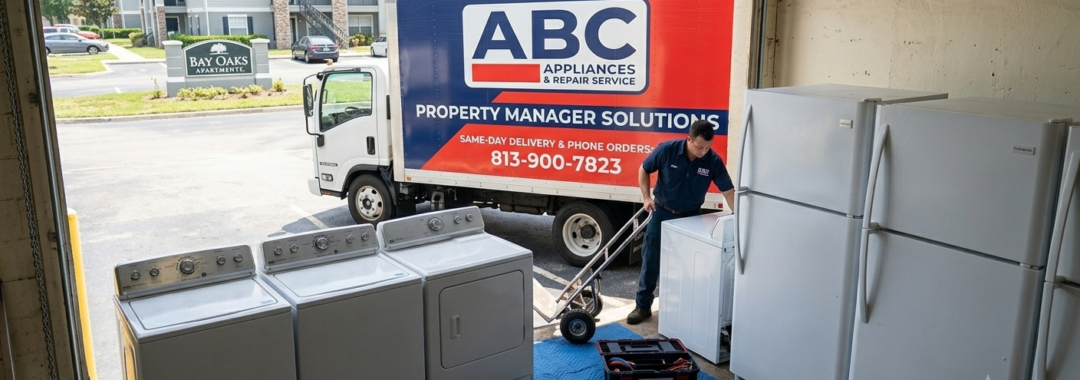
used appliances for property manager in tampa

What Questions Should Tampa Shoppers Ask Before Purchasing Warehouse Appliances?

Understanding Warehouse Appliances Before Making a Purchase

Purchasing warehouse appliances can be a practical way to upgrade your home while keeping your budget under control. Whether you need a refrigerator, washing machine, dryer, dishwasher, microwave, or cooking range, warehouse stores often provide access to a wide selection of appliances at competitive prices. However, a lower price does not automatically mean you are getting the best value for your money. Differences in appliance condition, warranty coverage, energy efficiency, installation requirements, and return policies can significantly affect the overall cost of your purchase. Tampa shoppers should take time to understand these details before making a final decision. At ABC Appliances, we encourage customers to ask the right questions so they can make informed purchasing decisions and choose appliances that meet their household needs.

Is the Appliance Brand New, Open-Box, Used, or Refurbished?

One of the first questions to ask before purchasing a warehouse appliance is whether the unit is brand new, open-box, used, or refurbished. These categories can have different meanings depending on the seller, and understanding the distinction helps you evaluate the price accurately. A brand-new appliance generally has not been previously used, while an open-box unit may have been returned by another customer or removed from its original packaging. Used appliances have previously been operated, whereas refurbished models have typically undergone some level of inspection, repair, or restoration. However, the extent of refurbishment can vary, so it is important to ask exactly what work has been completed and whether any components have been replaced. Knowing the appliance’s condition allows you to compare similar products and determine whether the advertised discount represents a worthwhile saving.

What Is the Actual Condition of the Appliance?

Before purchasing a warehouse appliance, ask whether you can inspect the unit in person or receive detailed photographs of its current condition. Check the exterior for dents, scratches, discoloration, damaged control panels, and other visible imperfections that could affect its appearance or operation. For refrigerators and freezers, inspect the door seals, shelves, drawers, hinges, and interior surfaces for signs of wear or damage. Washing machines and dryers should be examined for damaged knobs, loose doors, worn seals, and signs of excessive use. You should also ask whether the appliance has been tested to confirm that its essential functions operate correctly. At ABC Appliances, we believe customers should understand both the cosmetic condition and functional status of an appliance before deciding whether it is the right purchase.

Has the Appliance Been Professionally Tested?

A warehouse appliance may look clean and well maintained while still having an underlying mechanical or electrical problem. Ask the seller what testing procedures have been performed and whether the appliance has passed an operational inspection. For refrigerators, this may include checking cooling performance, temperature controls, interior lighting, and ice or water dispensers when applicable. Washing machines should be evaluated for filling, draining, spinning, and completing their wash cycles, while dryers should be checked for heating and proper drum operation. Dishwashers should be assessed for water circulation, drainage, and the operation of their wash programs. If the appliance is refurbished, ask whether any repairs were performed, which parts were replaced, and whether documentation of the work is available.

Does the Appliance Include a Warranty?

Warranty coverage is another important consideration when buying warehouse appliances in Tampa. Ask whether the appliance includes a manufacturer’s warranty, a seller-provided warranty, or no warranty at all. New appliances may qualify for manufacturer coverage, but eligibility can depend on the product’s condition, purchase documentation, and applicable warranty terms. Open-box, used, and refurbished appliances may have different coverage arrangements, so shoppers should verify the details rather than assume that standard protection applies. Find out how long the warranty lasts, which components are covered, whether labor is included, and how service requests are handled. Before completing your purchase, request written warranty terms and clarify whether any exclusions apply to cosmetic damage, pre-existing defects, or specific parts.

What Is the Return or Exchange Policy?

Even after carefully inspecting an appliance, you may discover a problem once it has been delivered and connected at home. This makes the seller’s return and exchange policy especially important. Ask how many days you have to report a defect, whether the appliance must remain in its original packaging, and whether the seller accepts returns on used or refurbished products. You should also determine whether a restocking fee applies and who pays for return transportation if the unit is defective or unsuitable. Some sellers distinguish between mechanical failures, cosmetic concerns, and changes of mind, so it is important to understand which situations qualify for a return. Having these terms in writing can help you avoid unexpected expenses and make the purchasing process more straightforward.

Is the Price Competitive Compared With Similar Appliances?

Warehouse appliance prices can be attractive, but shoppers should compare the total value rather than focus exclusively on the advertised discount. Ask for the final selling price and confirm whether sales tax, delivery, installation, haul-away services, or other charges are included. Compare the model number with listings from other retailers to make sure you are evaluating the same appliance rather than a similar model with different features. If a unit is discounted because of cosmetic damage, an open-box return, or a previous repair, consider whether the savings adequately reflect its condition. It is also useful to compare the appliance’s expected operating costs and warranty coverage with those of a new model. By looking at the complete cost of ownership, Tampa shoppers can identify purchases that provide genuine long-term value.

What Is the Appliance’s Model Number and Manufacturing Date?

Knowing the exact model number helps you verify an appliance’s specifications, dimensions, features, and compatibility with your home. Ask the seller for the model and serial numbers, which are often printed on a label located inside the appliance or on its rear panel. These details can help you locate the manufacturer’s product information, operating instructions, and replacement parts. The manufacturing date may also provide useful context when evaluating an older appliance, particularly if the unit has been previously used or stored for an extended period. You should check whether the manufacturer has issued relevant safety notices or recalls for that specific model. Confirming these details before purchase reduces the risk of choosing an appliance that is difficult to maintain or unsuitable for your requirements.

How Energy Efficient Is the Appliance?

Energy efficiency can have a meaningful effect on the long-term cost of operating household appliances. Ask whether the model carries an ENERGY STAR certification when applicable and whether its energy consumption information is available. Refrigerators operate continuously, making their efficiency particularly important for households looking to manage electricity expenses. Washing machines and dishwashers may also offer savings through efficient water use, while modern dryers can differ considerably in energy consumption depending on their technology and operating settings. Review the available energy information and compare it with that of other appliances in the same category and capacity range. Tampa residents who use their appliances frequently may benefit from considering operating costs alongside the initial purchase price.

Will the Appliance Fit in Your Home?

Before purchasing a warehouse appliance, measure the available space in your kitchen, laundry room, utility area, or wherever the unit will be installed. Ask for the appliance’s exact height, width, and depth, including any additional clearance required for ventilation, doors, hoses, and electrical connections. A refrigerator that fits into an opening may still prevent a nearby door or cabinet from opening fully if the surrounding space is too restricted. Washing machines and dryers may require additional room for water connections, drainage, exhaust arrangements, or stacking equipment. You should also measure doorways, hallways, staircases, and other access points along the delivery route to confirm that the appliance can reach its intended location. Taking these measurements in advance can prevent delivery complications, additional charges, and the inconvenience of purchasing an appliance that does not fit.

Are the Electrical and Plumbing Requirements Compatible?

Appliances must be compatible with your home’s existing utility connections to operate safely and correctly. Ask about the electrical requirements, including the required voltage, outlet configuration, circuit capacity, and grounding specifications. Larger appliances may have installation requirements that differ from those of smaller countertop models, so checking the manufacturer’s instructions is essential. Refrigerators with water dispensers and ice makers may require a suitable water supply, while washing machines and dishwashers need appropriate water and drainage connections. Gas ranges and dryers require compatible gas connections and proper installation, where applicable, and should be handled by qualified professionals. Confirming these requirements before buying helps you determine whether additional installation work or equipment will be necessary.

Does the Seller Offer Delivery and Installation?

Delivery and installation services can make purchasing warehouse appliances much more convenient, especially when buying heavy or oversized equipment. Ask whether delivery is available to your Tampa address and whether the quoted fee includes bringing the appliance inside your home. Some delivery arrangements cover transportation only, while others may include placement, basic installation, packaging removal, or testing after installation. You should also confirm whether stairs, narrow entrances, long carrying distances, or difficult access conditions result in additional charges. If installation is not included, find out whether the seller can recommend a qualified professional or whether you need to arrange the service independently. Understanding these details before payment helps you calculate the complete cost and coordinate delivery without unnecessary delays.

Can Your Old Appliance Be Removed?

Replacing an existing refrigerator, washing machine, dryer, or dishwasher often creates the additional task of disposing of the old unit. Ask whether the warehouse seller provides appliance haul-away services and whether the service is included in the delivery price. If there is an extra charge, request the amount before finalizing the purchase so you can include it in your budget. You should also clarify whether the old appliance must be disconnected, emptied, or moved to a particular location before collection. Certain appliances may require special handling or preparation, depending on their condition and the disposal arrangements. If haul-away is unavailable, check local waste management or recycling options to determine the most appropriate way to dispose of the appliance.

Are Replacement Parts and Repair Services Readily Available?

An appliance’s long-term value depends partly on whether it can be maintained and repaired when necessary. Ask whether replacement parts are available for the specific model and whether qualified technicians can service it in your area. This question is particularly important when buying older, discontinued, or refurbished appliances, as certain components may be difficult to source. You may also want to know whether the manufacturer still provides technical documentation and support for the product. For appliances with electronic controls, specialized sensors, or advanced features, repair costs can vary depending on the availability of components and technician expertise. Choosing a model with accessible parts and reliable service options can help reduce the inconvenience and expense of future repairs.

Which Features Are Essential for Your Household?

Warehouse appliance shopping becomes easier when you identify the features that matter most to your household before visiting a seller. Ask yourself how much storage capacity, washing capacity, cooking space, or cleaning performance you actually need. A large family may benefit from a spacious refrigerator or a high-capacity washing machine, while a smaller household may prefer a compact model that uses less space. You should also consider practical features such as adjustable shelving, temperature controls, multiple wash cycles, moisture sensors, or programmable cooking settings. Advanced features can be useful, but they may increase the purchase price and introduce additional components that could eventually require maintenance. Prioritizing your everyday requirements helps you avoid paying extra for features you are unlikely to use.

Is the Appliance Suitable for Tampa’s Climate?

Tampa’s warm, humid climate makes certain appliance considerations particularly relevant for local homeowners and renters. Refrigerators and freezers should be installed in locations that meet the manufacturer’s ambient temperature and ventilation requirements, especially if they will be placed in garages or other warm spaces. Poor ventilation can affect cooling performance and may increase energy consumption, so ask whether the model is suitable for your intended installation location. Washing machines and dryers should also be installed in properly ventilated areas according to the manufacturer’s instructions. If the appliance will be used in a laundry room, enclosed patio, or garage, confirm that the surrounding temperature and humidity conditions fall within its operating specifications. Considering the local environment helps you choose an appliance that is appropriate for your home rather than relying on price alone.

Are All Accessories and Essential Components Included?

Before completing your purchase, ask whether the appliance comes with all the accessories and components needed for its intended use. Depending on the model, these may include refrigerator shelves, drawers, water hoses, dishwasher mounting brackets, dryer vent components, racks, trays, or specialized connectors. Open-box and refurbished appliances may be missing certain accessories, so it is important to check the contents rather than assume that everything shown in the original product listing is included. Find out whether missing parts can be supplied and how much replacement components would cost. You should also confirm whether any required installation kits must be purchased separately. Identifying missing items in advance helps you avoid additional expenses and ensures that you have a realistic understanding of the appliance’s total price.

What Should You Confirm Before Paying?

Once you have selected an appliance, take a few minutes to review the purchase details before making payment. Confirm the exact model, appliance condition, agreed price, delivery arrangements, warranty coverage, and return policy with the seller. If the unit has cosmetic damage or has undergone repairs, make sure those details are documented accurately. Request a receipt that identifies the appliance and retains the information you may need for warranty claims or future service inquiries. It is also helpful to keep copies of the product description, inspection notes, and any written promises concerning testing, repairs, or included accessories. These simple precautions create a clearer record of the transaction and help protect your interests if a disagreement arises later.

Making a Confident Warehouse Appliance Purchase in Tampa

Buying warehouse appliances can be an effective way to save money while finding equipment that suits your household’s needs. The key is to evaluate each appliance carefully, ask specific questions, and compare the total purchase cost with the expected benefits. Understanding the unit’s condition, testing history, warranty, return policy, energy efficiency, and installation requirements allows you to make a more informed decision. It is equally important to verify measurements, check accessory availability, and understand delivery arrangements before committing to a purchase. At ABC Appliances, we believe informed shoppers are better equipped to choose appliances that offer dependable performance and practical value. By approaching your next appliance purchase with a clear checklist of questions and realistic expectations, you can shop with greater confidence and avoid many common purchasing mistakes.

Shop Smarter for Warehouse Appliances

Finding the right warehouse appliance involves more than locating the lowest advertised price. It requires careful consideration of quality, functionality, compatibility, serviceability, and the expenses associated with ownership. Tampa shoppers who take the time to inspect appliances and verify seller policies are better positioned to identify products that fit their budgets and everyday requirements. Whether you are furnishing a new home, replacing a broken appliance, or upgrading an older kitchen or laundry room, asking the right questions can make the experience more rewarding. At ABC Appliances, our goal is to help customers approach appliance shopping with the information they need to make practical choices. Focus on the appliance’s overall value, verify important details before payment, and choose a product that supports your household’s needs for years to come.

What Appliance Age Tells You About Long-Term Value When Shopping Secondhand in Tampa

Understanding Why Appliance Age Matters When Buying Used

Shopping for secondhand appliances can be an excellent way to save money while furnishing a home, upgrading a rental property, or replacing an essential household item. However, the price tag alone does not determine whether a used appliance offers good long-term value. Its age can reveal important information about its remaining service life, expected maintenance needs, energy efficiency, and potential repair costs. When shopping for used appliances in Tampa, buyers should consider how long an appliance has been in service and how well it has been maintained throughout its life. An older appliance in excellent condition may offer better value than a newer model that has experienced heavy use or inconsistent maintenance. At ABC Appliances, we believe that understanding appliance age helps shoppers make informed purchasing decisions and choose products that deliver practical value beyond the initial savings.

How Appliance Age Influences Its Remaining Lifespan

Every household appliance has an expected service life, although its actual lifespan depends on several factors, including construction quality, frequency of use, maintenance, and operating conditions. Refrigerators, washing machines, dryers, dishwashers, microwaves, and electric ranges all experience wear at different rates. A refrigerator may continue working for many years with proper maintenance, while a heavily used washing machine could develop problems much sooner. Appliance age provides a useful starting point for estimating how much useful life might remain, but it should never be treated as a guarantee. Buyers should also consider whether the appliance has undergone previous repairs, whether essential components remain in good condition, and whether it operates as intended. Evaluating these factors together provides a more realistic picture of long-term value than relying on the manufacturing date alone.

Why Newer Secondhand Appliances Can Offer Better Value

Newer used appliances often provide an attractive balance between affordability and expected service life. These products may have fewer operating hours, less component wear, and more modern features than older alternatives, depending on their previous use. They can also offer improved energy performance compared with certain older models, particularly when buyers select appliances with efficient operating systems and suitable energy ratings. For Tampa homeowners who want to reduce their upfront expenses without purchasing an appliance that is already approaching the end of its useful life, a well-maintained newer model can be a practical option. However, newer appliances are not automatically the best investments because their condition, original quality, and maintenance history still matter. Comparing the purchase price, expected repair expenses, available features, and estimated remaining lifespan helps shoppers determine whether the extra cost of a newer secondhand model is justified.

When an Older Appliance Can Still Be Worth Buying

An older appliance should not automatically be dismissed simply because it has been in service for several years. Some well-built models can continue operating reliably when their previous owners have followed recommended maintenance practices and addressed minor issues promptly. An older electric range, for example, may remain useful if its heating elements, controls, wiring, and other important components function correctly. Similarly, a refrigerator with a clean interior, properly sealing door gaskets, and consistent cooling performance may still provide meaningful value. The key is to determine whether the appliance’s current condition supports its asking price and whether replacement parts or professional repairs are reasonably accessible. Buyers should be particularly cautious when an older model shows signs of recurring breakdowns, unusual noises, electrical problems, or inconsistent performance, as these issues may reduce its financial appeal.

Understanding Different Lifespans Across Appliance Categories

Appliance age becomes more meaningful when buyers understand that different products have different expected service lives. Refrigerators and freezers are designed for continuous operation, so their compressors, fans, cooling systems, and door seals deserve particular attention when evaluating secondhand models. Washing machines and dishwashers depend on mechanical parts, pumps, valves, hoses, and electronic controls that can deteriorate with repeated use. Dryers require careful inspection of heating components, motors, belts, and ventilation systems, while electric ranges should be evaluated for reliable heating, intact controls, and safe electrical operation. Microwaves may cost less to replace than larger appliances, so spending a substantial amount to repair an older unit may not make financial sense. Understanding these differences allows shoppers to compare age more accurately and avoid assuming that a five-year-old appliance has the same remaining lifespan as another appliance of the same age.

How Tampa’s Climate Can Affect Used Appliance Value

Tampa’s warm, humid climate is an important consideration when shopping for secondhand appliances. High humidity can contribute to corrosion on exposed metal components, particularly when appliances have been stored in damp garages, sheds, or poorly ventilated spaces. Moisture can also affect electrical connections and other vulnerable components when an appliance has not been stored or maintained properly. Refrigerators and freezers must work to maintain their internal temperatures despite warm surrounding conditions, making their cooling performance and ventilation especially important. Washing machines and dishwashers should be checked for signs of leaks, damaged hoses, deteriorated seals, and moisture-related deterioration around their connections. When buying used appliances in Tampa, shoppers should evaluate the actual condition of the product and its storage history rather than assuming that age alone accurately reflects how much wear it has experienced.

Why Maintenance History Matters More Than the Manufacturing Date Alone

An appliance’s manufacturing date tells you when it was produced, but it does not explain how carefully it was used or maintained. Two appliances manufactured in the same year may have very different conditions because one received routine servicing while the other operated under heavy workloads without proper care. Regular cleaning, timely repairs, correct installation, and adherence to manufacturer recommendations can help preserve an appliance’s performance over time. Buyers should ask whether the appliance has been repaired previously, whether any major components have been replaced, and whether known performance issues have been addressed. They should also look for visible signs of neglect, such as excessive residue, damaged seals, rust, loose connections, or unusual wear on frequently handled controls. A documented maintenance history, when available, provides useful supporting evidence, although it should always be considered alongside a hands-on inspection and operational testing.

Calculating the Real Cost of a Secondhand Appliance

The purchase price is only one part of the total cost of owning a used appliance. Installation, transportation, energy consumption, routine maintenance, and potential repairs can significantly affect the amount you spend over its remaining service life. A cheaper older refrigerator may appear attractive initially, but a higher electricity bill or an expensive compressor repair could reduce its overall financial advantage. In contrast, a slightly more expensive, energy-efficient model in better condition may cost less to operate over several years. Buyers should also consider whether replacement parts are readily available and whether qualified technicians can service the model without excessive expense. Comparing the expected ownership cost rather than the initial price alone makes it easier to identify secondhand appliances that offer genuine long-term value.

How Energy Efficiency Influences Long-Term Savings

Energy efficiency is an important consideration when evaluating older and newer secondhand appliances. Refrigerators, freezers, clothes washers, and other frequently used appliances can contribute meaningfully to household utility expenses, especially when they operate throughout the year. Older models may consume more electricity or water than newer alternatives, although actual performance varies according to the appliance type, model, condition, and usage patterns. Shoppers should review the available energy information, compare similar models, and consider how often the appliance will be used in their household. In Tampa, where refrigerators and freezers may operate under warm ambient conditions for much of the year, efficient cooling performance can be particularly valuable. Choosing an appliance with a suitable balance of age, condition, purchase price, and operating efficiency can help reduce recurring expenses without requiring buyers to purchase brand-new equipment.

Warning Signs That an Older Appliance May Cost More Than It Saves

Some warning signs indicate that an older appliance deserves additional scrutiny before purchase. Repeatedly stopping during operation, inconsistent temperatures, excessive vibration, burning odors, electrical irregularities, and persistent leaks can suggest underlying problems that require professional assessment. Damaged power cords, compromised insulation, severe rust, and broken safety features should never be overlooked simply because the appliance is inexpensive. Buyers should also be cautious when sellers cannot explain the appliance’s history, refuse reasonable operational testing, or provide inconsistent information about its condition. A low price may not compensate for expensive repairs, unreliable operation, or the need for premature replacement. Before committing to a purchase, shoppers should confirm that the appliance works correctly, investigate any unusual symptoms, and determine whether the likely repair costs make the investment worthwhile.

Comparing Secondhand Appliances by Value Rather Than Age

The best secondhand appliance is not necessarily the newest or the cheapest option available. Instead, buyers should compare the asking price with the appliance’s condition, estimated remaining lifespan, operating expenses, repair history, and expected maintenance requirements. A relatively old appliance that has been carefully maintained and priced appropriately may represent a sensible purchase, while a younger model with serious mechanical problems could become an expensive mistake. Buyers should also evaluate whether the appliance meets their household’s practical requirements, including capacity, dimensions, available settings, and compatibility with existing electrical and plumbing connections. For rental properties or investment homes, reliability and ease of maintenance may be more important than premium features or advanced technology. By focusing on the relationship between cost, performance, and expected service life, shoppers can make more confident decisions when purchasing used appliances in Tampa.

Questions to Ask Before Purchasing a Used Appliance

Asking the right questions can help buyers understand an appliance’s history before spending their money. Start by asking how old the appliance is, how frequently it was used, and whether it served a single household or a more demanding environment. Find out whether major components have been repaired or replaced and whether any recurring performance problems have occurred. It is also useful to ask whether the appliance can be tested before purchase and whether the seller provides a written return policy or limited warranty. Buyers should confirm the model number and, where possible, verify the manufacturing date using the manufacturer’s identification information. These questions help establish a clearer understanding of the appliance’s condition, making it easier to compare available options and avoid unexpected expenses after installation.

Choosing Secondhand Appliances That Fit Your Budget

A successful secondhand appliance purchase starts with a realistic budget that accounts for more than the advertised price. Buyers should reserve some funds for transportation, installation supplies, minor maintenance, and any professional inspection that may be appropriate. They should also consider the consequences of an unexpected breakdown, particularly when purchasing an essential refrigerator, washing machine, or cooking appliance. Comparing several models within the same category can reveal whether a higher-priced option offers meaningful advantages in reliability, efficiency, or expected remaining life. It is also worth checking whether the dimensions and installation requirements match the available space before arranging delivery. At ABC Appliances, we encourage shoppers to evaluate the complete ownership picture so they can choose an appliance that supports their household needs without putting unnecessary pressure on their budget.

Finding Long-Term Value When Shopping Secondhand in Tampa

Shopping for secondhand appliances in Tampa can help households manage expenses while finding practical equipment for everyday living. The most reliable approach combines age assessment with a careful review of operating condition, maintenance history, energy efficiency, and potential repair costs. Buyers should pay particular attention to cooling performance, mechanical operation, electrical safety, moisture exposure, and the availability of replacement parts. They should also compare the appliance’s total expected ownership cost with the cost of suitable alternatives rather than focusing exclusively on the initial discount. An informed decision can help reduce the risk of premature replacement and make better use of the money allocated to household essentials. With a thoughtful evaluation process, secondhand shoppers can identify appliances that offer a reasonable combination of affordability, dependable performance, and long-term usefulness.

Make a Smarter Secondhand Appliance Purchase

Understanding appliance age is one of the most useful steps toward making a confident secondhand purchase, but age should always be considered alongside condition and expected operating costs. A well-maintained appliance with a reasonable remaining lifespan can offer excellent value, while a neglected model may require costly repairs regardless of how recently it was manufactured. Taking time to inspect the product, verify its history, compare energy consumption, and assess the availability of replacement parts can help prevent avoidable expenses. Tampa shoppers should also consider local climate conditions and ensure that appliances have been stored, installed, and maintained appropriately. At ABC Appliances, our goal is to help customers approach appliance shopping with practical knowledge and a clear understanding of what makes a purchase worthwhile. By choosing based on performance, condition, and total ownership cost, you can find secondhand appliances that meet your needs and deliver value well beyond the day you bring them home.