Understanding Why Appliance Age Matters When Buying Used
Shopping for secondhand appliances can be an excellent way to save money while furnishing a home, upgrading a rental property, or replacing an essential household item. However, the price tag alone does not determine whether a used appliance offers good long-term value. Its age can reveal important information about its remaining service life, expected maintenance needs, energy efficiency, and potential repair costs. When shopping for used appliances in Tampa, buyers should consider how long an appliance has been in service and how well it has been maintained throughout its life. An older appliance in excellent condition may offer better value than a newer model that has experienced heavy use or inconsistent maintenance. At ABC Appliances, we believe that understanding appliance age helps shoppers make informed purchasing decisions and choose products that deliver practical value beyond the initial savings.
How Appliance Age Influences Its Remaining Lifespan
Every household appliance has an expected service life, although its actual lifespan depends on several factors, including construction quality, frequency of use, maintenance, and operating conditions. Refrigerators, washing machines, dryers, dishwashers, microwaves, and electric ranges all experience wear at different rates. A refrigerator may continue working for many years with proper maintenance, while a heavily used washing machine could develop problems much sooner. Appliance age provides a useful starting point for estimating how much useful life might remain, but it should never be treated as a guarantee. Buyers should also consider whether the appliance has undergone previous repairs, whether essential components remain in good condition, and whether it operates as intended. Evaluating these factors together provides a more realistic picture of long-term value than relying on the manufacturing date alone.
Why Newer Secondhand Appliances Can Offer Better Value
Newer used appliances often provide an attractive balance between affordability and expected service life. These products may have fewer operating hours, less component wear, and more modern features than older alternatives, depending on their previous use. They can also offer improved energy performance compared with certain older models, particularly when buyers select appliances with efficient operating systems and suitable energy ratings. For Tampa homeowners who want to reduce their upfront expenses without purchasing an appliance that is already approaching the end of its useful life, a well-maintained newer model can be a practical option. However, newer appliances are not automatically the best investments because their condition, original quality, and maintenance history still matter. Comparing the purchase price, expected repair expenses, available features, and estimated remaining lifespan helps shoppers determine whether the extra cost of a newer secondhand model is justified.
When an Older Appliance Can Still Be Worth Buying
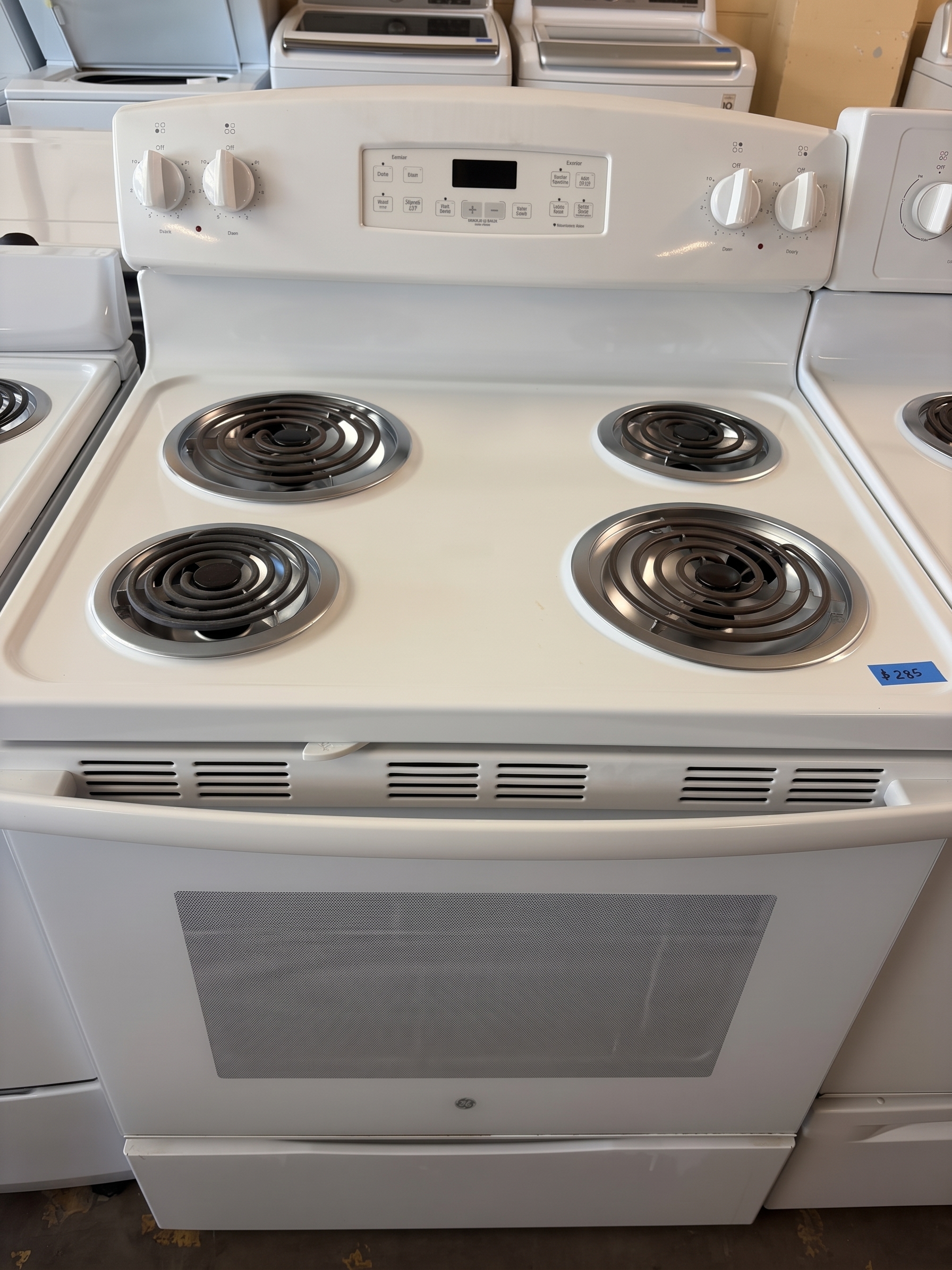
An older appliance should not automatically be dismissed simply because it has been in service for several years. Some well-built models can continue operating reliably when their previous owners have followed recommended maintenance practices and addressed minor issues promptly. An older electric range, for example, may remain useful if its heating elements, controls, wiring, and other important components function correctly. Similarly, a refrigerator with a clean interior, properly sealing door gaskets, and consistent cooling performance may still provide meaningful value. The key is to determine whether the appliance’s current condition supports its asking price and whether replacement parts or professional repairs are reasonably accessible. Buyers should be particularly cautious when an older model shows signs of recurring breakdowns, unusual noises, electrical problems, or inconsistent performance, as these issues may reduce its financial appeal.
Understanding Different Lifespans Across Appliance Categories
Appliance age becomes more meaningful when buyers understand that different products have different expected service lives. Refrigerators and freezers are designed for continuous operation, so their compressors, fans, cooling systems, and door seals deserve particular attention when evaluating secondhand models. Washing machines and dishwashers depend on mechanical parts, pumps, valves, hoses, and electronic controls that can deteriorate with repeated use. Dryers require careful inspection of heating components, motors, belts, and ventilation systems, while electric ranges should be evaluated for reliable heating, intact controls, and safe electrical operation. Microwaves may cost less to replace than larger appliances, so spending a substantial amount to repair an older unit may not make financial sense. Understanding these differences allows shoppers to compare age more accurately and avoid assuming that a five-year-old appliance has the same remaining lifespan as another appliance of the same age.
How Tampa’s Climate Can Affect Used Appliance Value
Tampa’s warm, humid climate is an important consideration when shopping for secondhand appliances. High humidity can contribute to corrosion on exposed metal components, particularly when appliances have been stored in damp garages, sheds, or poorly ventilated spaces. Moisture can also affect electrical connections and other vulnerable components when an appliance has not been stored or maintained properly. Refrigerators and freezers must work to maintain their internal temperatures despite warm surrounding conditions, making their cooling performance and ventilation especially important. Washing machines and dishwashers should be checked for signs of leaks, damaged hoses, deteriorated seals, and moisture-related deterioration around their connections. When buying used appliances in Tampa, shoppers should evaluate the actual condition of the product and its storage history rather than assuming that age alone accurately reflects how much wear it has experienced.
Why Maintenance History Matters More Than the Manufacturing Date Alone
An appliance’s manufacturing date tells you when it was produced, but it does not explain how carefully it was used or maintained. Two appliances manufactured in the same year may have very different conditions because one received routine servicing while the other operated under heavy workloads without proper care. Regular cleaning, timely repairs, correct installation, and adherence to manufacturer recommendations can help preserve an appliance’s performance over time. Buyers should ask whether the appliance has been repaired previously, whether any major components have been replaced, and whether known performance issues have been addressed. They should also look for visible signs of neglect, such as excessive residue, damaged seals, rust, loose connections, or unusual wear on frequently handled controls. A documented maintenance history, when available, provides useful supporting evidence, although it should always be considered alongside a hands-on inspection and operational testing.
Calculating the Real Cost of a Secondhand Appliance
The purchase price is only one part of the total cost of owning a used appliance. Installation, transportation, energy consumption, routine maintenance, and potential repairs can significantly affect the amount you spend over its remaining service life. A cheaper older refrigerator may appear attractive initially, but a higher electricity bill or an expensive compressor repair could reduce its overall financial advantage. In contrast, a slightly more expensive, energy-efficient model in better condition may cost less to operate over several years. Buyers should also consider whether replacement parts are readily available and whether qualified technicians can service the model without excessive expense. Comparing the expected ownership cost rather than the initial price alone makes it easier to identify secondhand appliances that offer genuine long-term value.
How Energy Efficiency Influences Long-Term Savings
Energy efficiency is an important consideration when evaluating older and newer secondhand appliances. Refrigerators, freezers, clothes washers, and other frequently used appliances can contribute meaningfully to household utility expenses, especially when they operate throughout the year. Older models may consume more electricity or water than newer alternatives, although actual performance varies according to the appliance type, model, condition, and usage patterns. Shoppers should review the available energy information, compare similar models, and consider how often the appliance will be used in their household. In Tampa, where refrigerators and freezers may operate under warm ambient conditions for much of the year, efficient cooling performance can be particularly valuable. Choosing an appliance with a suitable balance of age, condition, purchase price, and operating efficiency can help reduce recurring expenses without requiring buyers to purchase brand-new equipment.
Warning Signs That an Older Appliance May Cost More Than It Saves
Some warning signs indicate that an older appliance deserves additional scrutiny before purchase. Repeatedly stopping during operation, inconsistent temperatures, excessive vibration, burning odors, electrical irregularities, and persistent leaks can suggest underlying problems that require professional assessment. Damaged power cords, compromised insulation, severe rust, and broken safety features should never be overlooked simply because the appliance is inexpensive. Buyers should also be cautious when sellers cannot explain the appliance’s history, refuse reasonable operational testing, or provide inconsistent information about its condition. A low price may not compensate for expensive repairs, unreliable operation, or the need for premature replacement. Before committing to a purchase, shoppers should confirm that the appliance works correctly, investigate any unusual symptoms, and determine whether the likely repair costs make the investment worthwhile.
Comparing Secondhand Appliances by Value Rather Than Age
The best secondhand appliance is not necessarily the newest or the cheapest option available. Instead, buyers should compare the asking price with the appliance’s condition, estimated remaining lifespan, operating expenses, repair history, and expected maintenance requirements. A relatively old appliance that has been carefully maintained and priced appropriately may represent a sensible purchase, while a younger model with serious mechanical problems could become an expensive mistake. Buyers should also evaluate whether the appliance meets their household’s practical requirements, including capacity, dimensions, available settings, and compatibility with existing electrical and plumbing connections. For rental properties or investment homes, reliability and ease of maintenance may be more important than premium features or advanced technology. By focusing on the relationship between cost, performance, and expected service life, shoppers can make more confident decisions when purchasing used appliances in Tampa.
Questions to Ask Before Purchasing a Used Appliance
Asking the right questions can help buyers understand an appliance’s history before spending their money. Start by asking how old the appliance is, how frequently it was used, and whether it served a single household or a more demanding environment. Find out whether major components have been repaired or replaced and whether any recurring performance problems have occurred. It is also useful to ask whether the appliance can be tested before purchase and whether the seller provides a written return policy or limited warranty. Buyers should confirm the model number and, where possible, verify the manufacturing date using the manufacturer’s identification information. These questions help establish a clearer understanding of the appliance’s condition, making it easier to compare available options and avoid unexpected expenses after installation.
Choosing Secondhand Appliances That Fit Your Budget
A successful secondhand appliance purchase starts with a realistic budget that accounts for more than the advertised price. Buyers should reserve some funds for transportation, installation supplies, minor maintenance, and any professional inspection that may be appropriate. They should also consider the consequences of an unexpected breakdown, particularly when purchasing an essential refrigerator, washing machine, or cooking appliance. Comparing several models within the same category can reveal whether a higher-priced option offers meaningful advantages in reliability, efficiency, or expected remaining life. It is also worth checking whether the dimensions and installation requirements match the available space before arranging delivery. At ABC Appliances, we encourage shoppers to evaluate the complete ownership picture so they can choose an appliance that supports their household needs without putting unnecessary pressure on their budget.
Finding Long-Term Value When Shopping Secondhand in Tampa
Shopping for secondhand appliances in Tampa can help households manage expenses while finding practical equipment for everyday living. The most reliable approach combines age assessment with a careful review of operating condition, maintenance history, energy efficiency, and potential repair costs. Buyers should pay particular attention to cooling performance, mechanical operation, electrical safety, moisture exposure, and the availability of replacement parts. They should also compare the appliance’s total expected ownership cost with the cost of suitable alternatives rather than focusing exclusively on the initial discount. An informed decision can help reduce the risk of premature replacement and make better use of the money allocated to household essentials. With a thoughtful evaluation process, secondhand shoppers can identify appliances that offer a reasonable combination of affordability, dependable performance, and long-term usefulness.
Make a Smarter Secondhand Appliance Purchase
Understanding appliance age is one of the most useful steps toward making a confident secondhand purchase, but age should always be considered alongside condition and expected operating costs. A well-maintained appliance with a reasonable remaining lifespan can offer excellent value, while a neglected model may require costly repairs regardless of how recently it was manufactured. Taking time to inspect the product, verify its history, compare energy consumption, and assess the availability of replacement parts can help prevent avoidable expenses. Tampa shoppers should also consider local climate conditions and ensure that appliances have been stored, installed, and maintained appropriately. At ABC Appliances, our goal is to help customers approach appliance shopping with practical knowledge and a clear understanding of what makes a purchase worthwhile. By choosing based on performance, condition, and total ownership cost, you can find secondhand appliances that meet your needs and deliver value well beyond the day you bring them home.