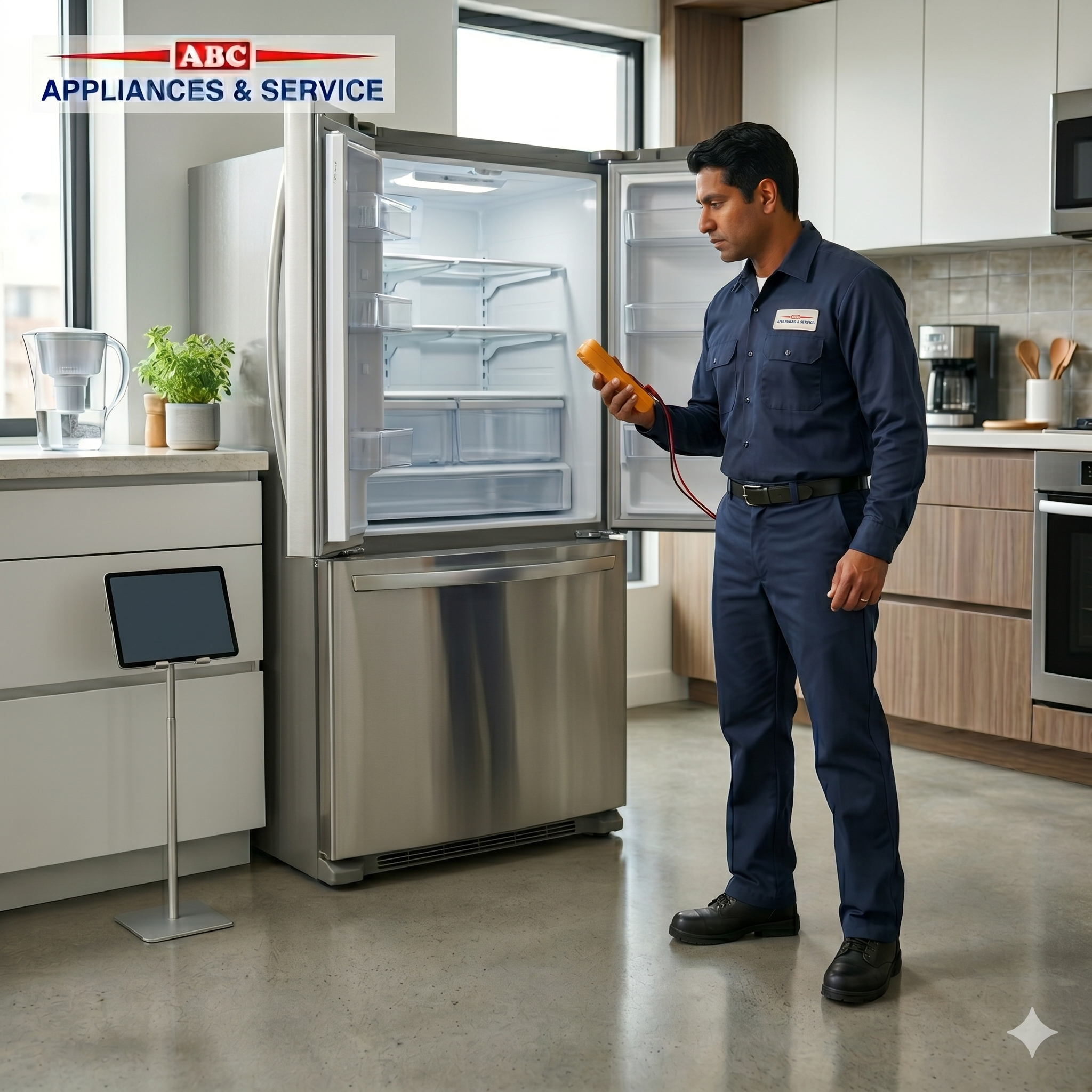
What to Check Inside a Used Refrigerator Before Buying It in Tampa
Buying a used refrigerator can be a practical way to save money while getting a reliable appliance for your home, rental property, or business. However, a refrigerator may look clean and attractive on the outside while hiding problems that affect its cooling performance, energy efficiency, or long-term reliability. Before making a purchase, it is important to inspect the appliance carefully and understand how its major components function. Tampa’s warm and humid climate makes refrigerator performance particularly important because the appliance must maintain safe food storage temperatures throughout the year. A refrigerator that struggles to cool properly can lead to spoiled groceries, unnecessary electricity costs, and expensive repairs. At ABC Appliances, we understand the importance of choosing an appliance that offers dependable performance and value for your money.
Why Inspecting a Used Refrigerator Matters
A used refrigerator can offer excellent value when it has been properly maintained and remains in good working condition. However, previous usage, poor maintenance, damaged components, and improper storage can affect how well the appliance performs. Some problems are immediately noticeable, while others only become apparent after the refrigerator has been running for several hours. Inspecting the interior before purchasing helps you identify warning signs that might otherwise be overlooked. It also gives you an opportunity to ask the seller about the refrigerator’s age, service history, and previous repairs. Taking time to evaluate these details can help you make a more informed decision and avoid purchasing an appliance that requires costly attention soon after installation.
Check the Refrigerator’s Overall Cleanliness
The first thing to examine when opening a used refrigerator is its overall cleanliness. Look carefully at the interior walls, shelves, drawers, door compartments, and corners where dirt and food residue can accumulate. Lingering odors may indicate that the refrigerator was not cleaned regularly or that spoiled food was left inside for an extended period. Pay particular attention to dark stains, sticky surfaces, and residue around the door seals, as these areas can be difficult to clean thoroughly. A small amount of ordinary surface dirt is generally manageable, but persistent odors, extensive staining, or visible mold may suggest deeper sanitation problems. Before purchasing, confirm that the interior can be cleaned effectively and that no obvious signs of neglect remain.
Inspect the Interior Walls for Cracks and Damage
The interior lining plays an important role in protecting the refrigerator’s insulated structure and maintaining consistent temperatures. Examine the walls of the refrigerator compartment and freezer for cracks, punctures, deep scratches, or sections that appear warped. Minor cosmetic marks may not affect performance, but significant damage can create cleaning difficulties or indicate that the appliance has experienced rough handling. Look around the corners, near the shelves, and along the back wall where damage may be less noticeable. You should also check for unusual discoloration, bubbling, or areas that appear to have been repaired. If you find substantial damage, ask the seller about its cause and consider having the refrigerator evaluated before deciding whether it represents a worthwhile purchase.
Examine the Shelves and Storage Drawers
Shelves and drawers influence how conveniently you can organize groceries and keep different types of food separated. Check whether every shelf is present, properly supported, and free from major cracks or broken edges. Glass shelves should be inspected carefully for chips, hairline fractures, and damaged corners that could cause them to break under weight. Plastic shelves and drawers should slide smoothly without catching, bending, or falling out of their tracks. Open and close each crisper drawer to ensure it moves properly and sits securely in its designated space. Replacing missing or damaged components can add to the total purchase cost, so inspect these features before agreeing to the final price.
Test the Refrigerator’s Cooling Performance
Cooling performance is one of the most important factors to evaluate when buying a used refrigerator. Ask the seller to connect the appliance to a suitable electrical outlet and allow it to operate long enough to demonstrate its condition. If the refrigerator has already been running, use an appliance thermometer to check the temperature inside the fresh food compartment. Ideally, the refrigerator should maintain a temperature of 40°F or below, while the freezer should generally remain at 0°F. Do not rely solely on the sensation of cold air when opening the door, because an appliance can feel cool without maintaining a safe and consistent temperature. If the refrigerator is not operating at the recommended temperatures, ask for further testing before purchasing it, since cooling problems can result from several different component failures.
Look for Signs of Uneven Cooling
A refrigerator may produce cold air while still struggling to distribute it evenly throughout the interior. Check whether the upper and lower shelves appear to maintain similar cooling conditions, and pay attention to any areas where frost or moisture has accumulated unusually. Some temperature variation is normal, especially when the door is opened frequently, but persistent warm areas can indicate airflow restrictions or other performance problems. Blocked vents, damaged fans, and incorrectly positioned shelves can interfere with circulation inside the appliance. You should also inspect the air vents for food residue or obstructions that might prevent cold air from reaching different compartments. Consistent cooling is especially valuable in Tampa, where warm surroundings can increase the demands placed on a refrigerator.
Inspect the Freezer Compartment Carefully
The freezer deserves the same attention as the main refrigerator compartment because problems in one area can affect the overall performance of the appliance. Examine the freezer walls, shelves, and drawers for excessive frost, unusual ice buildup, cracks, or missing components. A light layer of frost may be normal in some circumstances, but thick ice accumulation can indicate a defrost system issue, a damaged door gasket, or another problem requiring investigation. Check whether the freezer door closes securely and whether its interior surfaces appear clean and undamaged. Ask the seller to demonstrate that the freezer reaches and maintains an appropriate temperature. If the appliance includes an automatic ice maker, confirm whether it operates correctly and whether the necessary water connections are intact.
Check the Door Seals and Hinges
Door seals, also known as gaskets, help prevent warm air from entering the refrigerator and allow the appliance to maintain stable internal temperatures. Inspect the rubber seals around both the refrigerator and freezer doors for cracks, tears, stiffness, mold, or sections that have pulled away from the frame. Close each door and check whether it sits evenly without leaving visible gaps around the edges. You can also perform a simple paper test by placing a sheet of paper between the door and its frame before closing it, then gently pulling the paper out. If the paper slides out with very little resistance in several areas, the seal may not be tight enough. Examine the hinges as well, because loose or damaged hinges can prevent proper closure and contribute to cooling inefficiency.
Look for Unusual Moisture and Water Leaks
Moisture inside a refrigerator can sometimes be normal, but persistent water accumulation deserves closer inspection. Examine the bottom of the refrigerator compartment, the crisper drawers, and the floor beneath the appliance for signs of standing water or dried water marks. A blocked defrost drain can cause water to collect inside the refrigerator, while damaged water lines may create leaks in models equipped with dispensers or ice makers. Tampa’s humid climate can also contribute to condensation when warm air enters through a poorly sealed door. Ask the seller whether the appliance has experienced drainage problems or water leakage in the past. Before completing the purchase, determine whether any visible moisture is related to routine condensation or a problem that could require repairs.
Test the Interior Lighting and Temperature Controls
Interior lighting and temperature controls may seem like minor features, but they contribute to everyday convenience and help you assess the appliance’s general condition. Open the refrigerator door and check whether the light switches on promptly and illuminates the compartment properly. Adjust the temperature controls and observe whether the display or control panel responds as expected. Digital models should not display persistent error codes, flickering screens, or controls that fail to register adjustments. If the refrigerator has separate settings for different compartments, test each available control according to the manufacturer’s instructions. Although a faulty light or control may be inexpensive to repair in some models, electronic components can be costly, so it is sensible to identify any problems before buying.
Examine the Water Dispenser and Ice Maker
If you are considering a refrigerator with an external water dispenser or automatic ice maker, make sure these features are included in your inspection. Check the dispenser housing for cracks, mineral deposits, loose components, and signs of water leakage. Ask the seller to demonstrate water dispensing if the appliance is connected to a suitable water supply. For an ice maker, verify that the mechanism is present, that the ice bin is clean, and that the unit can produce ice when properly connected and given sufficient operating time. Inspect accessible water lines for signs of damage, kinks, or deterioration. Because dispenser and ice maker systems contain additional components that may require maintenance, confirm their condition rather than assuming they work simply because they are installed.
Listen for Unusual Noises and Check for Odors
A refrigerator naturally produces some sounds as its compressor, fans, and other components operate. However, loud grinding, repeated clicking, persistent rattling, or harsh buzzing may indicate a mechanical problem that deserves further investigation. Listen to the refrigerator while it is running and note whether the noise changes significantly when the doors are opened or closed. Also pay attention to strong chemical, musty, or persistent spoiled-food odors inside the appliance. A refrigerator that has been switched off for a long period may smell stale, but an odor that remains after thorough cleaning could indicate contamination or an underlying issue. If anything seems unusual, ask for an explanation and consider a professional inspection before committing to the purchase.
Review the Refrigerator’s Age and Maintenance History
The refrigerator’s age can provide useful context when evaluating its expected lifespan and potential repair costs. Ask the seller for the brand, model number, approximate purchase date, and any available service records. The model and serial number are often located on a label inside the refrigerator compartment or around the door frame, although the exact location varies by manufacturer. Use the model information to investigate the appliance’s specifications, replacement part availability, and recommended maintenance requirements. Ask whether the refrigerator has required compressor repairs, refrigerant-system work, or repeated service visits. An older appliance is not automatically a poor purchase, but its condition, repair history, expected operating costs, and asking price should all be considered together.
Consider Energy Efficiency and Operating Costs
The purchase price is only one part of the total cost of owning a used refrigerator. An older model may consume more electricity than a comparable newer appliance, particularly if its door seals, cooling components, or insulation are no longer performing efficiently. Check for an EnergyGuide label when available and compare the estimated annual electricity use with that of similar models. Remember that actual consumption depends on the appliance’s condition, size, temperature settings, usage patterns, and surrounding environment. In Tampa, where refrigerators operate throughout a warm climate and homes may rely heavily on air conditioning, energy consumption can be an important household expense. Choosing a refrigerator that combines a reasonable purchase price with dependable cooling and manageable electricity costs can provide better long-term value.
Make Sure the Refrigerator Fits Your Tampa Home
Before buying a used refrigerator, measure the space where you plan to install it and compare those measurements with the appliance’s exterior dimensions. Remember to account for the height, width, depth, door swing, and clearance required for ventilation. Check the route from the delivery vehicle to the kitchen, including doorways, hallways, stairs, and tight corners. You should also confirm that the available electrical outlet meets the manufacturer’s requirements and that any necessary water connection is suitable for models with dispensers or ice makers. Proper ventilation is important because refrigerators release heat as part of the cooling process, and inadequate clearance can affect efficiency. Planning these details in advance can prevent delivery complications and help ensure that your new appliance operates properly once installed.
Compare the Asking Price With the Refrigerator’s Condition
A low price does not necessarily mean that a used refrigerator is a good deal. Compare the asking price with similar models while accounting for age, condition, capacity, features, and expected repair expenses. Consider the cost of replacing missing shelves, damaged gaskets, broken drawers, or malfunctioning electronic components. You should also factor in transportation, installation, and any additional expenses associated with water connections or required repairs. If the refrigerator has visible damage or an uncertain service history, ask the seller whether the price reflects those concerns. A well-maintained appliance with documented performance and a reasonable price may offer better value than a cheaper refrigerator with hidden mechanical problems.
Ask About Delivery, Returns, and Warranty Coverage
Understanding the purchase terms is just as important as inspecting the refrigerator itself. Ask whether delivery is available to your Tampa address and whether the price includes moving the appliance into your home and positioning it in the designated space. Confirm what happens if the refrigerator fails to cool properly after installation or develops a problem shortly after purchase. Request written details about any return period, limited warranty, or service support that may be available. If the appliance is sold as-is, understand that you may be responsible for repair costs after the sale, subject to applicable consumer protection requirements. Clear purchase terms help establish realistic expectations and reduce the risk of disagreements if an issue arises later.
Why Buy a Used Refrigerator From a Trusted Local Store?
Purchasing from an established local appliance store can make the buying process more straightforward because you can ask questions, compare available models, and clarify the terms before making a decision. A reputable seller should be willing to explain the refrigerator’s known condition, demonstrate its operation when possible, and provide accurate information about any included features. You should still inspect the appliance yourself and confirm the details that matter most to your household. At ABC Appliances, we believe that choosing a used refrigerator should involve more than finding the lowest available price. Understanding the appliance’s cooling performance, interior condition, operating costs, and purchase terms helps customers make decisions with greater confidence. Taking this careful approach can help you find an appliance that suits your needs without exceeding your budget.
Final Thoughts on Buying a Used Refrigerator in Tampa
Buying a used refrigerator can be a smart option when you know what to inspect and how to recognize potential warning signs. Focus on the cooling system, freezer performance, door seals, shelves, drawers, moisture levels, lighting, and temperature controls before making your decision. Check the appliance’s age and maintenance history, and consider its expected electricity consumption alongside the initial purchase price. Tampa’s warm and humid conditions make reliable cooling and proper door sealing particularly important for everyday food storage. Do not overlook delivery arrangements, installation requirements, or the terms governing returns and repairs. By evaluating these details carefully, you can improve your chances of finding a used refrigerator that offers dependable performance, practical storage, and lasting value for your home.