
Introduction: A Smarter Future for Household Appliances
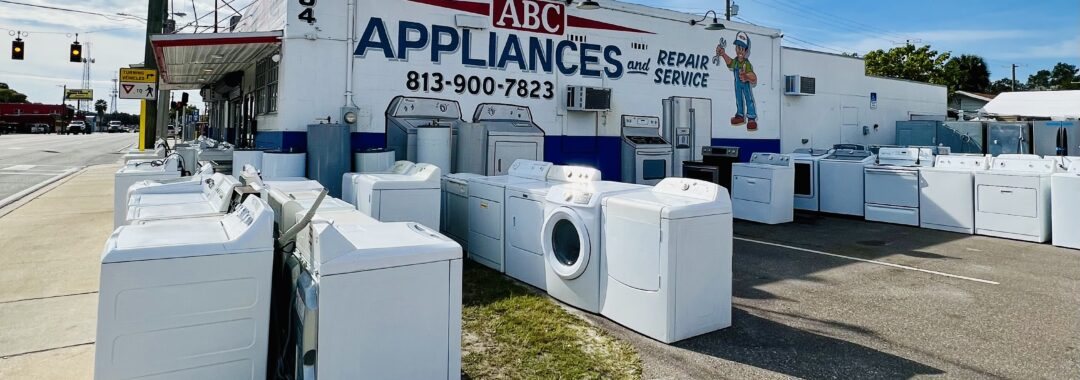
The way people purchase and use household appliances is changing as more consumers recognise the importance of affordability, product reliability and environmental responsibility. Refrigerators, washing machines, dishwashers, ovens and other essential household equipment are valuable assets that can serve households for many years when they receive proper care and maintenance. However, appliances are often replaced when they develop technical problems, become less efficient or no longer meet the expectations of their owners. Many of these products still have considerable functional life remaining and can be restored through professional inspections, repairs and refurbishment. This creates an opportunity to extend product lifecycles while reducing unnecessary waste and making essential household equipment more accessible. At ABC Appliances, we believe the future of refurbished household appliances depends on combining effective asset management, detailed technical inspections and sustainable business practices to deliver dependable products to modern households.
Understanding the Growing Demand for Refurbished Household Appliances
Refurbished household appliances are becoming an increasingly attractive option for consumers who want dependable products without paying the full price of brand-new equipment. Rising household expenses have encouraged many people to consider alternatives that provide practical value while maintaining essential functionality. A professionally refurbished appliance can offer an affordable solution when it has been properly inspected, repaired and tested before being made available for resale. Consumers are also becoming more aware that purchasing refurbished products can help reduce the environmental impact associated with manufacturing and disposing of household equipment. This shift in purchasing behaviour is creating opportunities for businesses that can demonstrate product quality, transparency and reliable after-sales support. As the market develops, the businesses that establish consistent refurbishment standards will be better positioned to build customer confidence and long-term relationships.
Asset Management: Making Better Use of Existing Appliances
Asset management plays an important role in determining how household appliances are evaluated, maintained, refurbished and returned to productive use. Instead of viewing an appliance as a product that becomes worthless after its first owner replaces it, businesses can assess its remaining useful life and identify opportunities for restoration. This approach requires an understanding of the appliance’s age, condition, operating history, component quality and potential maintenance requirements. Effective asset management also involves maintaining accurate records of inspections, repairs, replacement parts and performance testing throughout the refurbishment process. These records help businesses make informed decisions about which appliances are suitable for refurbishment and which may no longer be economically or technically viable. By applying structured asset management principles, refurbishment businesses can improve resource utilisation, control operating costs and recover more value from products that might otherwise become waste.
The Importance of Technical Inspections Before Resale
Technical inspections are essential for ensuring that refurbished household appliances meet appropriate safety, functionality and performance expectations. An appliance may appear clean and visually attractive while still containing internal faults that could affect its operation or reliability. Therefore, refurbishment should begin with a detailed assessment of its electrical components, mechanical systems, connections, controls and other critical operating parts. Refrigerators may require checks of compressors, cooling performance, temperature controls and door seals, while washing machines need careful examination of motors, drainage systems, water connections and drum mechanisms. Dishwashers, ovens and other appliances also require inspections based on their individual operating systems and safety requirements. A thorough inspection process helps identify hidden problems early, allowing technicians to determine the appropriate repairs and establish whether the appliance is suitable for resale.
Establishing Consistent Refurbishment and Quality Control Standards
A successful refurbishment operation needs clearly defined quality control procedures that are followed throughout every stage of the process. Once an appliance has passed its initial assessment, technicians should identify the components that require cleaning, adjustment, repair or replacement. Repairs should use compatible and appropriate parts, while electrical and mechanical work should be completed by suitably qualified professionals. After refurbishment, the appliance should undergo functional testing under operating conditions to confirm that its essential features work as expected. Businesses should also document completed repairs, inspection findings and any relevant limitations so customers receive accurate information before making a purchase. Consistent quality control reduces the likelihood of repeat faults, supports customer satisfaction and helps establish a reputation for dependable refurbished products.
Predictive Maintenance and the Role of Technology
Technology is creating new opportunities to improve how businesses inspect, maintain and manage household appliances. Predictive maintenance uses equipment condition information, operating patterns and technical data to identify potential problems before they develop into major failures. Although not every household appliance provides advanced diagnostic information, many modern models include electronic controls, fault codes and monitoring capabilities that can support more accurate troubleshooting. Technicians can use these features alongside conventional inspection methods to identify performance issues and determine which components may require attention. Digital maintenance records can also help refurbishment businesses track recurring faults across different appliance models and identify components that frequently require replacement. Over time, these insights can improve inspection procedures, support better purchasing decisions and make refurbishment operations more efficient.
Sustainable Practices and the Reduction of Electronic Waste
Sustainability is one of the strongest reasons to support the growth of the refurbished household appliance market. When functioning appliances are discarded unnecessarily, they contribute to growing volumes of electrical and electronic waste that require responsible handling and disposal. Refurbishment provides an alternative by extending the useful life of existing products and reducing the demand for newly manufactured equipment. Manufacturing new appliances requires raw materials, energy, water, transportation and industrial processes, all of which contribute to environmental impacts. By restoring suitable appliances, businesses can help reduce the need for some new production while keeping valuable materials and components in use for longer. Responsible refurbishment should also include proper recycling and disposal procedures for damaged components, refrigerants, batteries and other materials that cannot be safely reused.
The Circular Economy and the Future of Appliance Refurbishment
The circular economy provides a useful framework for understanding how refurbished appliances can contribute to more sustainable consumption. Traditional production models often follow a linear pattern in which products are manufactured, purchased, used and eventually discarded. A circular approach aims to keep products and materials in circulation for as long as practical through maintenance, repair, refurbishment, reuse and recycling. Household appliances are particularly suitable for this approach because many products contain valuable components that can remain functional even when individual parts fail. Businesses can assess returned or pre-owned equipment, recover usable components and restore appliances that meet suitable technical and safety requirements. This model creates opportunities to reduce material waste while developing more efficient systems for collecting, repairing and reselling household equipment.
Improving Energy Efficiency in Refurbished Appliances
Energy efficiency is another important consideration when evaluating the future potential of refurbished household appliances. An appliance may be fully functional but still consume considerably more electricity than a newer, more efficient alternative. This means refurbishment decisions should consider not only the immediate repair cost but also the appliance’s expected operating efficiency and long-term suitability. Technicians can inspect door seals, motors, heating elements, cooling systems and other components that influence energy consumption. Cleaning and restoring these systems may improve performance when poor maintenance or worn components have affected their operation. However, refurbishment cannot automatically bring an older appliance up to the efficiency standards of a modern model, so customers should receive honest information about energy performance and expected running costs before purchasing.
Building Customer Trust Through Transparency
Customer confidence is essential to the long-term success of the refurbished appliance industry. Many buyers want to understand exactly what they are purchasing, particularly when choosing an appliance that has previously been owned or used. Businesses can build trust by clearly explaining the inspection process, repairs completed, components replaced and functional tests performed before resale. Product descriptions should accurately communicate the appliance’s condition without making unsupported claims about its performance or remaining lifespan. Clear warranty terms and accessible after-sales support can also help customers feel more confident about their purchasing decisions. When businesses prioritise transparency, they demonstrate that refurbished products are not simply cheaper alternatives but carefully evaluated appliances that offer practical value when selected appropriately.
Managing Refurbishment Costs and Operational Efficiency
Effective cost management is necessary to make refurbishment commercially sustainable while keeping products affordable for customers. Every appliance has different repair requirements, component costs and potential resale values, making individual assessments important before work begins. Businesses should evaluate labour expenses, spare part availability, transportation, cleaning, testing and storage costs when determining whether refurbishment is financially practical. A structured asset management system can help track these expenses and identify which appliance categories provide the best opportunities for recovery and resale. It can also highlight recurring technical problems that may increase maintenance costs or reduce the reliability of particular models. By combining accurate financial records with technical inspection findings, businesses can make better decisions about purchasing, repairing and selling refurbished household equipment.
The Importance of Skilled Technicians and Technical Training
The quality of refurbished appliances depends heavily on the knowledge and practical skills of the technicians responsible for inspecting and repairing them. Modern household equipment increasingly combines mechanical systems with electronic controls, sensors, software and energy management technologies. This means technicians need a strong understanding of traditional appliance repair as well as the ability to diagnose more complex electrical and electronic faults. Regular technical training helps professionals stay familiar with changing appliance designs, safety requirements, diagnostic equipment and repair procedures. Businesses should also establish clear working standards so technicians follow consistent processes when assessing, repairing and testing products. Investing in technical expertise improves refurbishment quality, reduces avoidable repair mistakes and supports the development of a more professional and reliable industry.
Responsible Sourcing and Spare Parts Management
The availability and quality of replacement components can significantly influence the success of household appliance refurbishment. Businesses need reliable sourcing practices to ensure that the parts used during repairs are suitable for the specific appliance model and meet relevant safety and performance requirements. Maintaining an organised inventory of commonly required components can reduce repair delays and improve workshop productivity. Where appropriate, compatible recovered components may also be reused after proper inspection and testing. However, businesses must avoid using damaged, unsuitable or unverified parts simply to reduce refurbishment expenses. Responsible sourcing, accurate component records and effective inventory management help maintain repair standards while supporting the wider objective of extending appliance lifecycles.
Regulatory Compliance and Appliance Safety
Safety and regulatory compliance must remain central to the refurbished appliance industry as the market continues to expand. Household appliances involve electrical connections, moving components, heating elements, water systems and, in some cases, refrigerants that require appropriate handling. Businesses must understand the safety requirements applicable to the products they inspect, repair and sell within their operating markets. Electrical testing, appropriate component replacement and safe handling procedures should form part of the refurbishment process. Appliances that cannot meet applicable safety requirements should not be returned to customers for use. Maintaining inspection documentation and following relevant regulations protects consumers while helping refurbishment businesses demonstrate their commitment to responsible operations.
What Consumers Should Look for When Buying Refurbished Appliances
Consumers can make better purchasing decisions by looking beyond the initial price and understanding how an appliance has been evaluated before resale. A suitable refurbished product should have undergone a documented inspection, with any necessary repairs completed and its essential functions tested. Buyers should ask about the appliance’s condition, age, energy efficiency, replacement components and available warranty coverage. It is also important to understand whether the seller provides assistance if a technical problem develops after purchase. Comparing the expected operating costs of an older refurbished model with those of a newer appliance can help determine which option offers better long-term value. Choosing a seller that prioritises technical standards, accurate product information and customer support can make the purchasing experience more dependable.
The Future: Smarter, More Sustainable Appliance Retail
The future of refurbished household appliances will increasingly depend on the integration of technology, structured asset management and environmentally responsible business practices. Digital inventory systems can improve product tracking, while maintenance databases can help businesses understand repair histories and recurring component failures. Better diagnostic tools will support more accurate technical assessments, particularly as household appliances become increasingly connected and electronically controlled. Customers are also likely to place greater importance on transparent refurbishment standards, product reliability and the environmental impact of their purchasing decisions. Businesses that invest in professional inspections, technician training, efficient spare parts management and responsible recycling will be better prepared to respond to these expectations. As these practices become more established, refurbished appliances can play an important role in making household equipment more affordable while supporting a more resource-efficient economy.
Conclusion: Making Refurbishment a Responsible Choice
Refurbished household appliances represent an important opportunity to rethink how valuable products are maintained, reused and managed throughout their useful lives. Their long-term success depends on more than repairing visible faults or offering lower prices than new products. It requires a structured approach that combines asset lifecycle management, detailed technical inspections, quality control, responsible component sourcing and sustainable operating practices. When these elements work together, businesses can recover value from existing appliances, reduce avoidable waste and provide customers with more affordable purchasing options. We believe that a strong refurbishment industry should be built on technical expertise, honest product information and a genuine commitment to extending the useful life of household equipment. By adopting these principles, the industry can move towards a future where responsible consumption and reliable appliance performance go hand in hand.
Explore Affordable and Reliable Refurbished Household Appliances
Choosing a refurbished household appliance can be a practical way to manage household expenses while supporting more responsible consumption. At ABC Appliances, we encourage customers to look for products that combine affordability, proper technical assessment and dependable functionality. Whether you are looking for a refrigerator, washing machine, dishwasher or another essential household appliance, our aim is to help you make an informed purchasing decision. Explore our available appliance range, compare suitable options and contact our team if you need assistance finding the right product for your household. Get in touch with us today to discover our refurbished household appliances and find a practical solution that meets your needs and budget.
