
Making Better Use of Existing Appliances
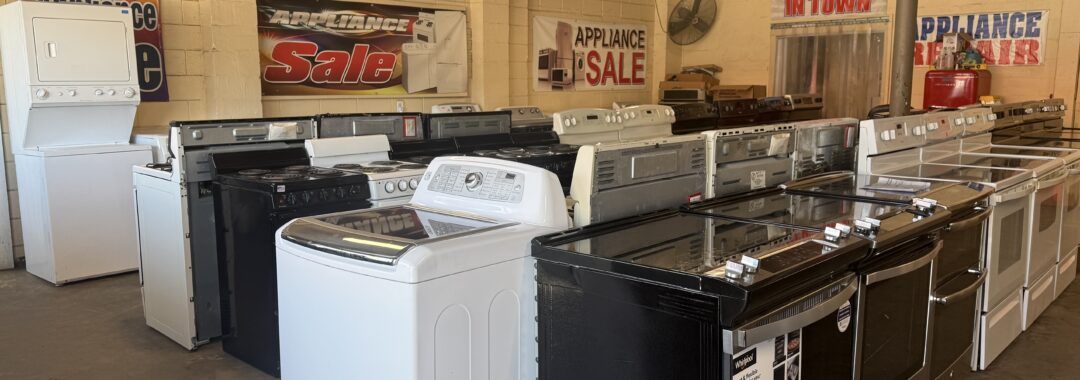
Creating a more sustainable household does not always require major lifestyle changes or expensive upgrades. Sometimes, a practical decision such as purchasing a quality used appliance can reduce waste while helping a family manage its household budget. In Tampa, where households rely heavily on refrigerators, washers, dryers, ranges, dishwashers, and other essential appliances, extending the useful life of these products can make a meaningful difference. Instead of automatically replacing an appliance with a brand new model, homeowners can consider whether a reliable pre-owned option meets their needs. We believe responsible appliance purchasing should consider both household value and the environmental impact of manufacturing and disposing of large products. Choosing a well-maintained used appliance can therefore be one practical step toward creating a more sustainable home.
Reducing Appliance Waste
Large household appliances contain substantial amounts of metal, plastic, glass, electronic components, insulation, and other materials. When an appliance is discarded before the end of its useful life, those materials may eventually become part of the waste stream even though the product could still serve another household. Purchasing used appliances helps keep functional products in circulation for longer periods. This approach can reduce the demand for premature replacement and encourage consumers to think about longevity rather than simply choosing the newest available model. A washer that still operates efficiently, for example, may provide years of useful service for another family after leaving its original home. Extending the service life of existing products supports a more practical approach to household consumption.
Supporting the Circular Economy
The idea of a circular economy focuses on keeping products and materials useful for as long as possible instead of following a simple purchase, use, and disposal cycle. Used appliances naturally fit into this approach because a product can move from one household to another rather than immediately becoming waste. When buyers choose pre-owned appliances, they create demand for products that might otherwise have limited value after their first ownership period. Sellers can also prepare, inspect, clean, repair, and resell appliances that still have useful service potential. At ABC Appliances, we understand that giving appliances another opportunity to serve a household can be a practical part of responsible consumption. This reuse model can help Tampa households make purchasing decisions that consider both financial value and resource conservation.
Lowering the Demand for New Manufacturing
Manufacturing a new appliance requires raw materials, energy, transportation, packaging, and industrial resources before the product even reaches a household. Purchasing a used appliance does not eliminate all environmental impacts associated with appliances, but it can help reduce the need for immediate new production when a suitable existing product is available. Reusing an appliance allows the resources already invested in its original manufacturing to provide value for a longer period. This can be particularly meaningful for larger products because refrigerators, washing machines, dryers, and ranges require significant material inputs. Choosing used equipment can therefore complement other sustainable household habits such as repairing products and avoiding unnecessary replacements. For many Tampa families, sustainability can begin with simply making more thoughtful purchasing decisions.
A Practical Choice for Tampa Families
Tampa households face a wide range of everyday expenses, including housing, utilities, maintenance, transportation, and home improvements. Buying used appliances can provide an opportunity to obtain necessary equipment without automatically paying the price associated with a new product. The money saved through a carefully considered purchase can potentially be used for other household improvements that increase efficiency or reduce waste. Families may also find that used appliances provide access to dependable models that match their space, lifestyle, and functional requirements. Sustainability becomes easier to maintain when environmentally responsible choices are also realistic from a household budgeting perspective. A practical purchase is more likely to remain sustainable when it works financially as well as functionally.
Extending the Life of Reliable Products
A product does not necessarily become environmentally or practically useless simply because its original owner no longer needs it. Appliances can change ownership because of remodeling projects, household moves, upgrades, changes in family size, or simple changes in personal preference. A refrigerator removed during a kitchen renovation, for instance, may still have considerable useful life remaining. Purchasing that appliance for another household can prevent a premature replacement cycle and make better use of the resources already invested in the product. Buyers should still evaluate the appliance’s condition, age, performance, and expected remaining service life before making a decision. When a suitable appliance is selected carefully, reuse can provide meaningful value without requiring a brand new product.
Choosing Appliances Based on Actual Needs
Sustainable shopping also means avoiding unnecessary features and purchases that do not genuinely serve the household. A buyer may not need the newest technology, the largest capacity, or every available smart feature to accomplish everyday household tasks. A well-functioning used appliance can sometimes provide exactly what a family needs without encouraging unnecessary consumption. Tampa homeowners can consider factors such as available space, household size, usage frequency, energy consumption, maintenance requirements, and expected longevity before choosing an appliance. This needs-based approach helps shift the focus from buying the newest product toward buying the right product. When households purchase according to actual requirements, they can reduce both unnecessary spending and unnecessary resource consumption.
Considering Energy Efficiency
Sustainability is not only about whether an appliance is new or used, because ongoing energy consumption also matters. Older appliances can sometimes use more electricity than newer efficient models, so buyers should evaluate operating costs alongside the environmental benefits of reuse. The most sustainable choice depends on the appliance’s condition, expected lifespan, energy performance, purchase price, and likely replacement timeline. A newer efficient appliance may make more sense in some situations, while a well-maintained used appliance can be a practical option in others. Tampa homeowners can compare expected operating costs rather than relying solely on the age of the appliance when making a decision. This balanced approach helps households consider the full lifecycle of the product rather than focusing on one sustainability factor.
Keeping Appliances in Use Longer
Proper maintenance can significantly influence how long an appliance remains useful. Simple practices such as cleaning filters, keeping components free from excessive buildup, following manufacturer recommendations, and addressing minor problems promptly can help protect appliance performance. When a used appliance receives appropriate care, its useful service period may be extended and the need for another replacement may be delayed. Regular maintenance can also help households identify developing problems before they become more expensive or disruptive. We encourage homeowners to think about maintenance as part of sustainable ownership rather than something that only matters when an appliance stops working. Taking care of an appliance protects the household investment while also helping reduce avoidable product waste.
Reducing Packaging and Transportation Demand
New appliances commonly require protective packaging to survive transportation from manufacturers and distribution centers to retailers and eventually to homes. Cardboard, plastic films, foam materials, pallets, and other protective materials can add to the resources associated with purchasing new products. Used appliances may already be available within the local market, creating opportunities for products to move through shorter ownership chains. Local purchasing can potentially reduce some transportation and packaging requirements, although the actual environmental impact depends on sourcing and delivery practices. Tampa residents can therefore consider where an appliance comes from and how far it needs to travel when evaluating different purchasing options. Looking beyond the sticker price can help households make more informed and responsible purchasing decisions.
Supporting a More Sustainable Tampa Community
Individual household decisions can contribute to broader community habits when many residents make similar choices. Buying used appliances encourages a culture where reuse, repair, maintenance, and responsible consumption become normal parts of household decision-making. This can help shift attention away from the assumption that every household product must be replaced with something brand new. Tampa is a growing community with diverse households, making practical approaches to resource conservation especially relevant. By choosing products based on usefulness, condition, longevity, and value, residents can participate in a more thoughtful consumption cycle. ABC Appliances supports the idea that sustainable household decisions can also be practical, affordable, and convenient.
Making Sustainability Part of Everyday Shopping
A sustainable household is built through many individual decisions rather than one perfect purchase. Choosing a used appliance can be one of those decisions when the product is reliable, appropriately maintained, suitable for the household, and reasonably efficient. Homeowners can also combine this approach with repairs, proper maintenance, responsible disposal, energy conservation, and careful purchasing habits. The goal is not simply to avoid buying new products but to make each purchase based on actual need and long-term value. For Tampa families, used appliances can offer a practical way to reuse existing resources while managing household expenses. ABC Appliances can help make that approach part of a more intentional appliance shopping strategy for local households.